Dried Herbs vs. Brewed: Health Benefits & Comparison
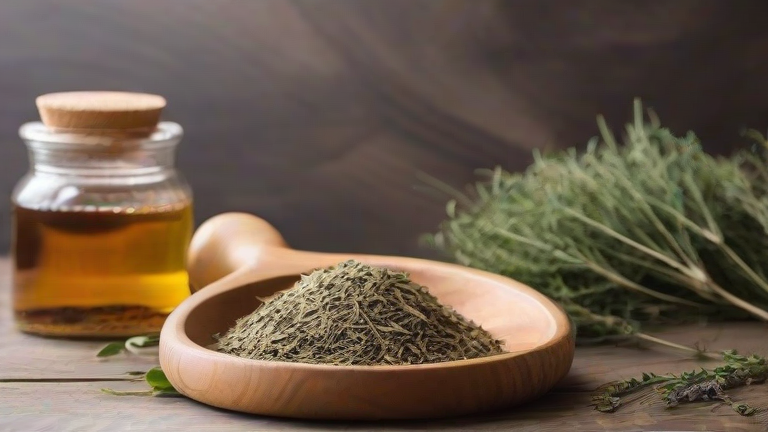
TL;DR: Dried herbs generally offer a more concentrated source of antioxidants and essential oils per gram, making them potent for long-term storage and seasoning. Conversely, brewed herbal teas provide immediate hydration, easier digestion, and a soothing ritual that maximizes the bioavailability of water-soluble nutrients for quick health benefits.
Understanding the Core Differences
When comparing dried herbs to brewed herbal infusions, it is crucial to understand how processing affects potency. Dried herbs undergo dehydration, which removes water weight and concentrates the remaining phytochemicals. This means that a teaspoon of dried oregano contains significantly more active compounds than the same volume of fresh leaves. However, this concentration also means dried herbs are much stronger and can easily overpower a dish or a tea if not measured correctly. Brewed herbs, on the other hand, involve steeping the plant material in hot water. This process extracts water-soluble vitamins, minerals, and antioxidants, creating a hydrating beverage that is gentle on the stomach. The heat helps break down cell walls, releasing flavors and healing properties into the liquid, which the body can absorb rapidly.
If you want to dig deeper, check out our guide on Luxury Brands Selling Only Online: No Physical Stores.
Step-by-Step Guide to Brewing Herbal Tea
To maximize the health benefits of dried or fresh herbs through brewing, follow these precise steps. First, select high-quality, organic herbs to avoid pesticide residues. Measure one tablespoon of dried herbs or two tablespoons of fresh herbs for every eight ounces of water. Bring filtered water to a rolling boil, then remove it from the heat source. Allow the water to cool slightly for delicate herbs like chamomile or lemon balm, keeping it around 200°F, while robust herbs like peppermint or ginger can handle boiling water. Place the herbs in a teapot or infuser and pour the hot water over them. Cover the vessel to prevent volatile essential oils from escaping, which are critical for therapeutic effects. Steep for five to ten minutes, depending on the desired strength and the specific herb’s resilience. Finally, strain the liquid and enjoy it plain or with a touch of honey for additional antimicrobial benefits.
Practical Tips for Maximizing Benefits
Always store dried herbs in airtight, opaque containers away from direct sunlight and heat to preserve their potency. Freshly ground spices or recently dried herbs retain more essential oils than those that have been sitting on shelves for months. When brewing, avoid squeezing the tea bag or strainer, as this can release bitter tannins that may cause stomach upset. Experiment with combinations, such as pairing ginger with lemon balm, to create synergistic health effects that address multiple wellness goals simultaneously. Consistency is key; daily consumption of herbal teas can support digestive health, reduce inflammation, and improve sleep quality over time.
FAQ
Q: Which is more potent for health: dried herbs or brewed tea?
A: Dried herbs are more potent by weight because they are concentrated, but brewed tea offers better bioavailability for water-soluble nutrients and immediate hydration.
Q: Can I use dried herbs to make tea?
A: Yes, you can use dried herbs to make tea by steeping them in hot water, but you should use about half the amount required for fresh herbs due to their concentrated nature.
Q: How long do dried herbs retain their health benefits?
A: Dried herbs typically retain their maximum health benefits for six to twelve months if stored properly in cool, dark, and airtight conditions.