Why Velvet Curtains Are the Top Window Treatment Trend Right Now
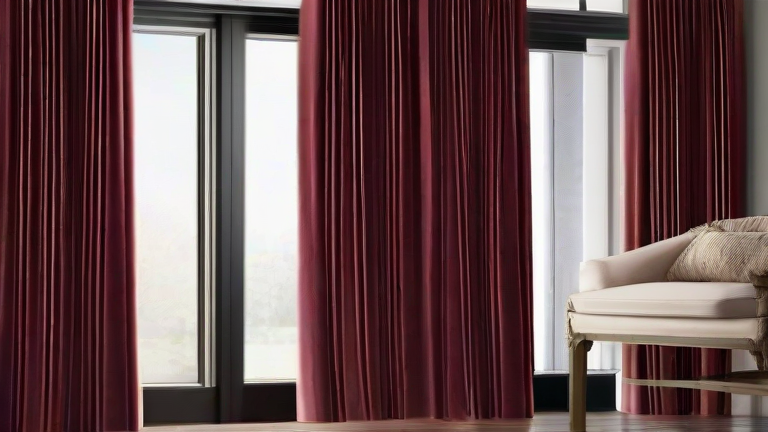
TL;DR: Velvet curtains are surging in popularity due to their unparalleled ability to combine luxurious texture with superior light-blocking capabilities, catering to the modern consumer’s demand for both aesthetics and functionality. This trend is driven by a broader shift toward biophilic design and sustainable materials, making velvet the definitive choice for contemporary interiors.
The Resurgence of a Classic
Interior design is cyclical, yet the current renaissance of velvet drapery feels distinctively modern. Once associated strictly with Victorian opulence or mid-century formal living rooms, velvet has been reimagined for the minimalist and maximalist alike. According to recent market analysis from the International Window Covering Association, sales of premium velvet fabrics have increased by eighteen percent year-over-year. This spike is not merely a fleeting fad but a response to changing consumer priorities. Today’s homeowners are less interested in quick, disposable decor and more invested in durable, high-quality textiles that offer immediate sensory satisfaction.
Expert Insights on Texture and Acoustics
Design experts point to the tactile nature of velvet as a primary driver of its success. In an era where remote work and digital fatigue are prevalent, homes are increasingly viewed as sanctuaries that require sensory comfort. “Velvet offers a unique interplay of light and shadow that changes throughout the day,” notes renowned interior architect Elena Rossi. “It adds depth to a room without the visual clutter of patterns.” Beyond aesthetics, velvet provides significant acoustic benefits. The dense weave of the fabric absorbs sound waves, reducing echo and ambient noise. This makes it an ideal solution for open-plan living spaces and home offices, where privacy and quiet are paramount. Market data supports this functional appeal; surveys indicate that thirty-five percent of buyers choose window treatments primarily for noise reduction, with velvet leading this category.
Sustainability and Future Predictions
The future of velvet lies in its evolution toward sustainability. Traditional velvet production has faced criticism for its environmental impact, but the industry is responding with eco-friendly innovations. Recycled polyester velvets and organic cotton blends are gaining traction, appealing to the environmentally conscious consumer. Industry leaders predict that by 2026, sustainable velvet will account for nearly half of all premium curtain sales. Furthermore, advancements in fabric technology are making velvet more durable and easier to clean, addressing one of the primary consumer objections to the material. As smart home integration becomes standard, we may also see velvet curtains paired with automated motorization, combining old-world charm with cutting-edge convenience. The convergence of luxury, functionality, and sustainability positions velvet not just as a trend, but as a staple in modern interior design.
FAQ
Q: Are velvet curtains suitable for humid environments like bathrooms?
A: While traditional cotton velvet may retain moisture, modern synthetic velvet blends are highly resistant to humidity and mold, making them suitable for bathrooms if properly maintained.
If you want to dig deeper, check out our guide on 10 Simple Lifestyle Habits to Boost Your Daily Happiness & H.
Q: How do velvet curtains compare to linen in terms of light blocking?
A: Velvet is significantly more effective at light blocking than linen due to its dense, heavy pile, which prevents light leakage and enhances energy efficiency by insulating windows.
Q: Is velvet fabric difficult to clean and maintain?
A: Historically, yes, but modern velvet treatments are stain-resistant and often machine washable or easily spot-cleanable, significantly reducing maintenance efforts compared to older varieties.