Decentralized Energy: Home Solar Grids Explained
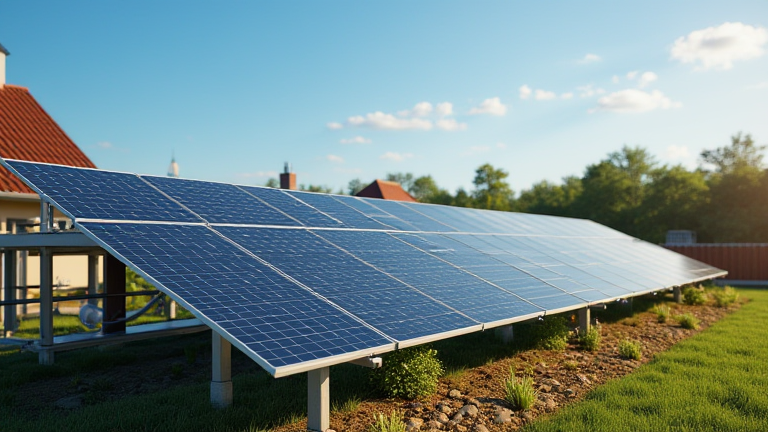
Decentralized Energy: Home Solar Grids Explained
TL;DR: Home solar grids are evolving from isolated backup systems into active nodes of a dynamic, peer-to-peer energy network. This shift allows homeowners to generate, store, and trade electricity locally, significantly reducing reliance on centralized utility infrastructure.
The Shift to Distributed Generation
The modern home solar grid is no longer just a collection of panels and a battery. It is a sophisticated microgrid capable of real-time data exchange. Recent developments in inverter technology have enabled bidirectional power flow with unprecedented precision. Next-generation inverters, such as those featuring high-frequency isolated topologies, now achieve efficiency ratings exceeding 98.5%. This technical leap minimizes energy loss during conversion, ensuring that more of the harvested sunlight reaches the household or the wider grid. Furthermore, the integration of advanced micro-inverters allows for panel-level monitoring and optimization, identifying shading or performance drops with granular detail that string inverters previously could not match.
If you want to dig deeper, check out our guide on 10 Lifestyle Habits to Boost Your Daily Well-Being.
Specifications and Hardware Evolution
Current industry standards are pushing the boundaries of residential energy storage. Lithium iron phosphate (LFP) batteries have become the dominant choice due to their superior thermal stability and cycle life, often exceeding 6,000 cycles before degrading to 80% capacity. Standard residential units now offer modular scalability, starting at 5 kWh and expanding to over 20 kWh as needs grow. Crucially, the integration of smart home energy management systems (EMS) has become standard. These systems utilize AI algorithms to predict energy consumption patterns and local weather conditions, automatically charging batteries when electricity prices are low or discharging them to power high-load devices during peak demand periods. This automation maximizes financial savings and grid stability.
Industry Impact and Peer-to-Peer Trading
The impact on the energy industry is profound. Decentralized grids are disrupting the traditional utility model by enabling peer-to-peer (P2P) energy trading. Blockchain-based platforms are beginning to facilitate direct transactions between neighbors, allowing a home with surplus solar generation to sell excess power directly to a neighbor with high demand. This reduces transmission losses and lowers costs for both parties. For utilities, this shift requires a paradigm change from managing a one-way flow of electricity to managing a complex mesh network. It necessitates the deployment of advanced smart meters and grid-formation protocols that can handle millions of small, distributed energy resources simultaneously. The result is a more resilient, democratic, and efficient energy ecosystem that is less vulnerable to single points of failure.
FAQ
Q: Is a home solar grid compatible with existing smart home devices?
A: Yes, most modern solar inverters and energy storage systems integrate with popular smart home platforms via APIs, allowing for automated control of heating, cooling, and other electrical loads based on energy availability.
Q: What is the typical lifespan of residential solar batteries?
A: Lithium iron phosphate batteries typically last between ten and fifteen years, with a rated cycle life of over 6,000 charge cycles before reaching 80% of their original capacity.
Q: Can I sell excess energy to my neighbors directly?
A: In regions with supportive regulatory frameworks and P2P trading platforms, yes; however, this requires specific software integration and may still be subject to local utility regulations and tariffs.