Aaron Rodgers Funded Neighborhood Cameras Amid Privacy Concerns
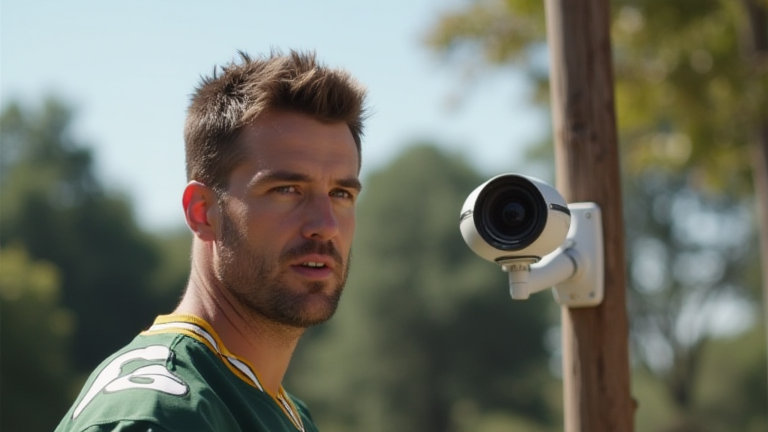
TL;DR: Aaron Rodgers has funded a neighborhood surveillance initiative to enhance local security, sparking immediate debate regarding civil liberties and data privacy. The project utilizes high-resolution cameras that raise significant questions about consent and potential misuse of personal footage by private entities.
The Intersection of Celebrity Influence and Public Safety
In an era where digital surveillance is becoming ubiquitous, the involvement of high-profile figures in community safety initiatives adds a complex layer to the ongoing privacy debate. Aaron Rodgers, the celebrated quarterback, has recently stepped into this arena by financing a network of security cameras for a specific residential area. This move, while intended to deter crime and provide peace of mind to residents, has ignited a fierce conversation about the boundaries of private funding in public spaces. The initiative is not merely about installing hardware; it represents a shift in how community security is conceptualized, moving from public municipal oversight to private, celebrity-backed solutions.
Technical Specifications and Operational Scope
The technical infrastructure behind this new surveillance network is robust, designed to meet modern security standards while attempting to balance visibility with discretion. The cameras deployed are equipped with 4K resolution capabilities, allowing for crystal-clear identification of individuals and vehicles even in low-light conditions. They feature advanced motion detection algorithms powered by artificial intelligence, which can distinguish between human movement, animal activity, and environmental factors like swaying trees or shifting shadows. This intelligent filtering is crucial for reducing false alarms and minimizing the volume of unnecessary data stored.
Furthermore, the system includes encrypted cloud storage, ensuring that footage is protected from unauthorized access. However, the encryption keys and access protocols are managed by the private entity funding the project, rather than a public police department. This distinction is critical, as it places the control of sensitive personal data into the hands of a private organization. The cameras are also equipped with two-way audio capabilities, allowing for real-time communication, which adds another dimension to the privacy concerns. Residents can be recorded without explicit consent during their interactions with visitors or neighbors, raising legal questions about wiretapping laws and reasonable expectations of privacy.
Industry Impact and Broader Implications
The impact of Rodgers’ initiative extends beyond the immediate neighborhood, influencing the broader smart home and security industry. It highlights a growing trend where wealthy individuals or corporations take it upon themselves to create secure enclaves, potentially exacerbating social divides between well-funded private communities and those reliant on underfunded public services. Security firms are closely watching this development, as it could set a precedent for how privacy policies are drafted and enforced in semi-public spaces.
Critics argue that such systems create a “panopticon” effect, where residents feel constantly watched, altering their behavior and potentially chilling free expression. Privacy advocates are calling for stricter regulations on private surveillance networks, demanding transparency in data retention policies and clear opt-out mechanisms for individuals who do not wish to be recorded. The industry must now grapple with these ethical challenges, ensuring that technological advancements do not come at the cost of fundamental civil liberties. As more celebrities and influencers consider similar ventures, the legal and social frameworks surrounding private surveillance will likely face intense scrutiny and potential reform.
FAQ
Q: Who is funding the new neighborhood cameras?
A: Aaron Rodgers is providing the financial backing for the installation and maintenance of the surveillance network.
If you want to dig deeper, check out our guide on Why Velvet Curtains Are the Top Window Treatment Trend Right.
Q: What are the main privacy concerns raised by critics?
A: Critics worry about unauthorized data collection, lack of transparency in who controls the footage, and the potential for misuse by private entities.
Q: How does the AI technology in the cameras work?
A> The cameras use artificial intelligence to filter out non-human motion, such as animals or environmental changes, to reduce false alarms and focus on relevant activity.