Why Old Is Gold: Simple Cars Should Be the Future
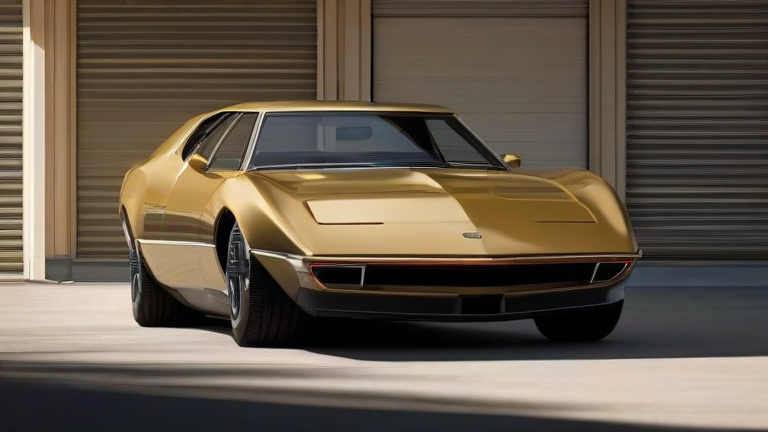
TL;DR: The resurgence of mechanical simplicity addresses critical consumer fatigue with software-heavy vehicles and supply chain vulnerabilities. Prioritizing durability and repairability offers a sustainable, cost-effective alternative to the complex, fragile modern automotive landscape.
The Shift Toward Mechanical Integrity
For decades, the automotive industry has equated progress with complexity. Modern vehicles are essentially computers on wheels, laden with sensors, infotainment screens, and autonomous driving aids. However, this trend has reached a tipping point. Consumers are increasingly frustrated by “planned obsolescence,” expensive software subscriptions, and vehicles that become unusable due to minor digital glitches rather than mechanical failure. The market is now showing a clear appetite for reliability over novelty, creating a unique opportunity for manufacturers to pivot back to fundamental engineering principles. This isn’t just nostalgia; it is a strategic response to a changing economic and environmental landscape.
If you want to dig deeper, check out our guide on One Prompt Built This Dashboard Frontend: Toy or Tool?.
Market Analysis and Strategic Insights
Recent market data indicates a growing segment of buyers, particularly in emerging markets and among older demographics, who prioritize longevity and low maintenance costs. The global supply chain crises of the past few years have exposed the fragility of just-in-time manufacturing for high-tech components. By simplifying designs, manufacturers can reduce dependency on rare earth minerals and complex semiconductor supplies. Strategically, this approach lowers the barrier to entry for affordable electric vehicles. A simpler battery management system and fewer electronic control units mean lower production costs and higher profit margins. Furthermore, it aligns perfectly with the “right to repair” movement, enhancing brand trust and customer loyalty in an era where transparency is valued over opacity.
Case Studies in Simplicity
Consider the success of the Land Rover Defender’s new generation, which, while technologically advanced, retained a rugged, accessible design philosophy that appealed to traditionalists. More compelling is the rise of niche manufacturers like Microlino, which produces a micro-EV with minimal electronics, targeting urban commuters who find Tesla’s complexity overkill. Another striking example is the continued popularity of the Toyota Land Cruiser in Africa and the Middle East. Its mechanical simplicity allows it to be repaired with basic tools in remote areas, a feature no amount of luxury software can replicate. These cases demonstrate that simplicity is not a regression but a specialized value proposition that resonates deeply with specific consumer needs.
FAQ
Q: Is simplicity better than advanced technology?
A: It depends on the user, but for durability and ease of repair, mechanical simplicity often outperforms complex software in long-term reliability.
Q: Will simple cars be electric?
A: Yes, simplifying the electrical architecture of EVs can make them cheaper and more accessible while maintaining robust performance.
Q: How does this affect the environment?
A: Longer-lasting vehicles reduce waste from premature disposal and lower the carbon footprint associated with manufacturing complex components.