Why Every Home Needs a Quality Cast Iron Skillet
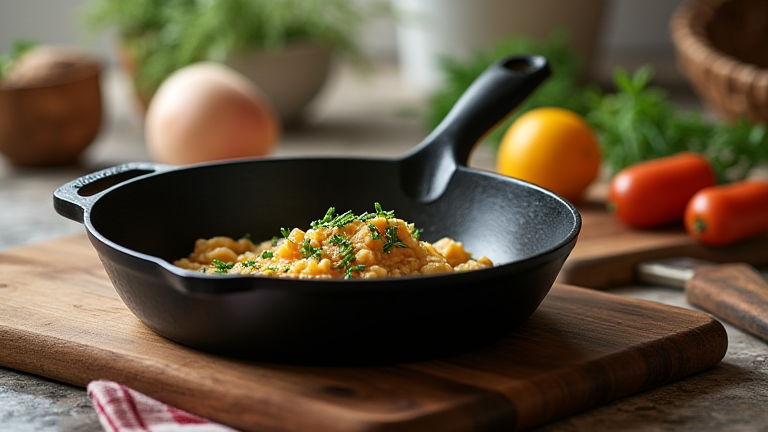
Why Every Home Needs a Quality Cast Iron Skillet
TL;DR: A quality cast iron skillet offers unparalleled heat retention and versatile cooking capabilities that no other pan can match. It is a durable, lifetime investment that enhances flavor and simplifies everyday meal preparation.
Investing in cookware is a decision that impacts the quality of your meals for decades. Among the myriad of options available, the cast iron skillet stands out as the undisputed king of kitchen versatility. Unlike non-stick pans that degrade over time or stainless steel that requires precise temperature control, cast iron delivers consistent performance year after year. Its ability to retain heat makes it ideal for everything from searing steaks to baking cornbread, making it an essential tool for any serious home cook.
If you want to dig deeper, check out our guide on How to Handle Salmonella in Noodles: Safety Tips & Preventio.
Feature Highlights
The primary advantage of cast iron is its superior heat retention. Once heated, the pan holds that temperature uniformly, ensuring even cooking without hot spots. This characteristic is particularly beneficial for achieving that perfect, crispy crust on pizzas or the desired char on grilled vegetables. Additionally, cast iron is naturally non-stick when properly seasoned. Unlike synthetic coatings, the seasoning process creates a polymerized oil layer that improves with use, becoming smoother and more resistant to sticking over time. This means the more you use your skillet, the better it performs.
Durability is another critical feature. Cast iron is virtually indestructible. It does not warp under high heat, scratch from metal utensils, or leach harmful chemicals into your food. Whether you are cooking on a gas stove, electric burner, in the oven, or even on a campfire, cast iron adapts seamlessly. This robustness ensures that a single purchase can last for generations, passing down as a family heirloom rather than a disposable item.
Comparisons with Alternatives
When compared to stainless steel, cast iron offers better heat distribution for low-and-slow cooking methods. While stainless steel excels in browning and reacting to temperature changes, cast iron maintains a steady heat that is ideal for braising and frying. Against non-stick pans, cast iron is far more durable and allows for higher heat applications that non-stick surfaces cannot withstand. Furthermore, cast iron is significantly cheaper than high-end carbon steel or premium copper pans, offering a higher return on investment due to its longevity. While it is heavier than aluminum, the weight is a trade-off for its thermal mass and durability.
Choosing the right size matters. A 10-inch skillet is perfect for individual portions, while a 12-inch model handles larger batches. For beginners, a pre-seasoned skillet removes the initial learning curve, but seasoned raw cast iron offers a more authentic experience. Regardless of your choice, the key is consistent maintenance. After each use, wash the pan with hot water, dry it immediately, and apply a thin layer of oil to preserve the seasoning. This simple routine ensures your skillet remains in top condition.
Do not let the weight or the initial seasoning process deter you. The rewards of owning a quality cast iron skillet are immense. It transforms your cooking experience, enhances the flavor of your dishes, and provides a reliable tool that will serve you for a lifetime. Embrace the ritual of caring for your pan, and you will discover a new level of culinary satisfaction.
Call to Action
Ready to elevate your cooking game? Visit your local kitchenware store or trusted online retailer today to find the perfect cast iron skillet for your kitchen. Look for reputable brands known for their quality casting and finishing. Start small with a 10-inch model if you are new to the material, or invest in a larger size for family gatherings. Take the first step towards better, more delicious meals. Your future self will thank you for this timeless investment.
FAQ
Q: Is cast iron difficult to clean?
A: No, it is quite simple. Wash with hot water and a stiff brush, dry immediately, and apply a thin coat of oil. Avoid using soap if you prefer a traditional approach, though mild soap is generally acceptable for modern seasoned pans.
Related Articles