Why Every Developer Needs a High-End Mechanical Keyboard
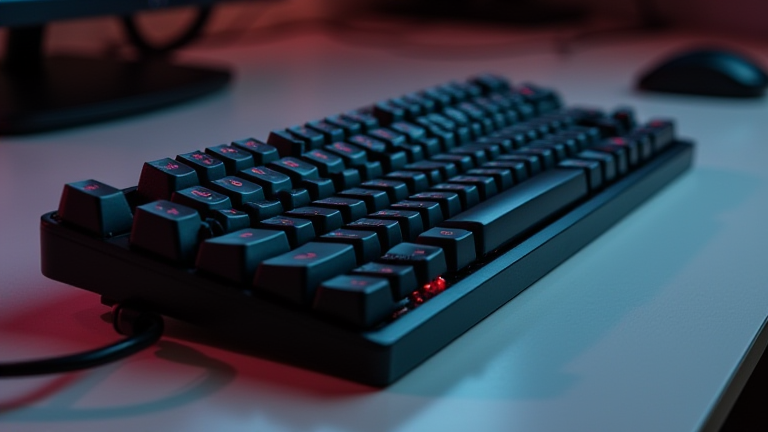
TL;DR: High-end mechanical keyboards significantly boost developer productivity by reducing fatigue and offering superior tactile feedback, which minimizes coding errors. The latest advancements in hot-swappable switches and wireless low-latency technology make them an essential investment for modern software engineers.
The Evolution of Tactile Precision
For decades, the standard office keyboard has been a rubber-dome or membrane device, offering a mushy, unresponsive typing experience. However, the professional development landscape has shifted dramatically. Today’s high-end mechanical keyboards are no longer just niche accessories for gamers; they are critical tools for software engineers who spend twelve or more hours a day interacting with their code. The core difference lies in the mechanism. Mechanical switches actuate via a physical lever, providing a distinct tactile or auditory confirmation for every keystroke. This precision is vital when writing complex syntax, where a single misplaced semicolon can break an entire build. Recent developments in switch engineering, such as the introduction of optical switches from brands like Gateron and Kailh, have eliminated the debounce delay found in traditional electrical switches. This results in near-instantaneous input registration, a subtle but powerful improvement that compounds over thousands of daily keystrokes.
If you want to dig deeper, check out our guide on Mastering Lightroom: Complete Photo Editing Tutorial.
Latest Specifications and Technological Breakthroughs
The 2023 to 2024 period has seen a renaissance in keyboard hardware specifications. Modern high-end boards now feature PBT (polybutylene terephthalate) keycaps, which resist shine and offer a superior texture compared to the ABS plastic found in consumer-grade devices. More importantly, the integration of QMK and VIA firmware has democratized customization. Developers can now reprogram every key without proprietary software, allowing them to create custom macro layers for IDE shortcuts, version control commands, and terminal navigation. Furthermore, the advent of 2.4GHz wireless and Bluetooth 5.1 with low-latency modes has removed the primary barrier for many developers: cable clutter. Brands like Keychron and NuPhy have perfected this technology, ensuring that the wireless experience feels identical to wired, with polling rates up to 1000Hz. Additionally, gasket-mounted keyboard cases have become the industry standard. This design uses silicone pads to dampen sound and provide a softer, more consistent typing feel, which is crucial for reducing wrist strain during long coding sessions.
Industry Impact and Productivity Metrics
While anecdotal evidence abounds, emerging data suggests a tangible return on investment for mechanical keyboard adoption. Studies in human-computer interaction indicate that reduced physical strain correlates with sustained cognitive focus. When a developer is not distracted by the discomfort of typing on a flat, rigid surface, their mental energy remains allocated to logic and architecture rather than physical fatigue. In enterprise environments, this translates to fewer mistakes in production code and a higher volume of committed pull requests. Moreover, the psychological aspect cannot be ignored. The satisfying “thock” or “clack” of a well-tuned mechanical switch creates a positive feedback loop, making the act of coding more enjoyable. This is particularly relevant in an industry plagued by burnout. By investing in high-quality input devices, companies are not just buying peripherals; they are investing in the well-being and efficiency of their most valuable asset: their engineering teams.
FAQ
Q: Are mechanical keyboards actually faster than membrane keyboards?
A: Yes, mechanical keyboards generally offer faster key registration due to shorter travel distances and higher actuation points, which reduces the time between intent and input.
Q: Can I use a high-end mechanical keyboard in a shared open-office environment?
A: Absolutely, by selecting silent linear switches such as Gateron Silent or Cherry MX Silent Red, you can maintain the tactile benefits without producing excessive noise.
Q: Is the price of a high-end keyboard justified for a junior developer?
A: Yes, because the initial investment improves long-term comfort and efficiency, and the durability of high-end components ensures a longer lifespan than cheaper alternatives.