Vertical Farms Cut Urban Food Miles | Boost Local Sustainability
Vertical Farms Cut Urban Food Miles | Boost Local Sustainability
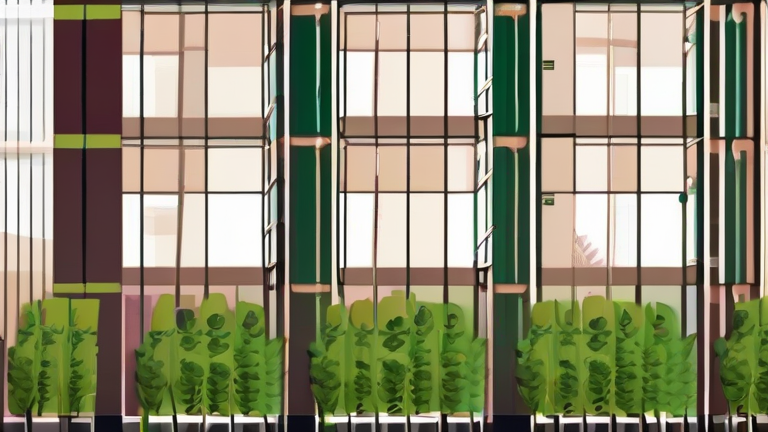
Imagine stepping off a bustling subway car in the heart of Manhattan or Tokyo and walking straight into a lush, green oasis. Instead of concrete walls, you see rows of vibrant kale, crisp lettuce, and delicate herbs growing under soft purple LED lights. This is not a scene from a futuristic sci-fi novel; it is the reality of modern vertical farming. As urban populations swell and arable land shrinks, this innovative agricultural model is transforming how we think about food, sustainability, and our connection to the environment. For the modern traveler and the conscious eater, vertical farms represent more than just a technological marvel—they are a symbol of resilience and a new chapter in urban culture.
The concept is deceptively simple yet profoundly impactful. By stacking crops in vertically layered structures, farmers can grow significantly more produce in a fraction of the space required by traditional agriculture. But the true magic lies in the reduction of “food miles.” In a conventional supply chain, lettuce might travel thousands of miles from rural fields to city supermarkets, losing nutrients and emitting carbon dioxide along the way. In a vertical farm, that same lettuce is grown blocks away from the dinner plate. This drastic reduction in transportation distance means fresher food, lower carbon emissions, and a stronger, more resilient local food system.
If you want to dig deeper, check out our guide on 10 Simple Lifestyle Hacks to Boost Your Happiness & Producti.
For the eco-conscious traveler, visiting a vertical farm offers a unique cultural experience. It challenges the romanticized notion of farming as solely a rural endeavor. Cities are reclaiming their role as hubs of production, not just consumption. These facilities often use hydroponic or aeroponic systems, which use up to 95% less water than traditional soil-based farming. This is crucial in an era of increasing water scarcity. Furthermore, because these environments are controlled, there is no need for harmful pesticides. The result is cleaner food and healthier soil ecosystems in the surrounding areas, as runoff pollution is virtually eliminated.
The Personal Growth of Conscious Consumption
Engaging with vertical farms can also spark personal growth. It encourages us to