Salmonella in Noodles: How to Spot and Stop the Risk
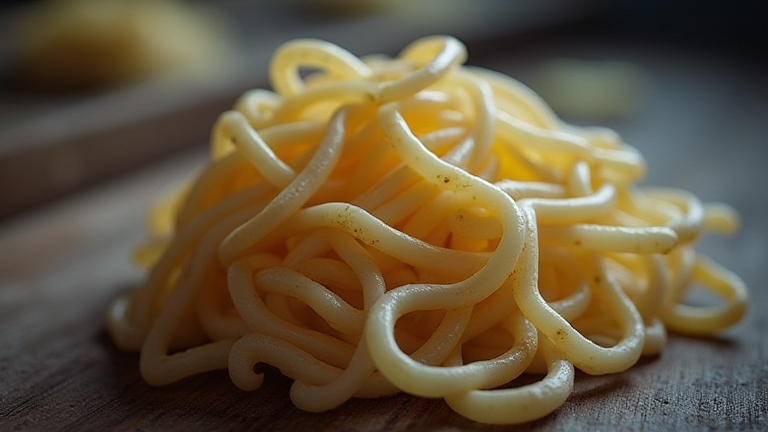
TL;DR: To spot salmonella risk in noodles, inspect packaging for damage and check expiration dates strictly before purchase. Always cook noodles to the recommended internal temperature and practice strict hand hygiene to stop the risk entirely.
The Hidden Dangers in Your Favorite Bowl
There is something profoundly comforting about a steaming bowl of noodles. It is a universal language of comfort, bridging cultures from the bustling street stalls of Bangkok to the quiet, intimate ramen shops of Tokyo. For many of us, noodles are not just food; they are a ritual, a moment of pause in a chaotic day, and a connection to heritage or travel dreams. However, beneath the savory broth and chewy texture lies a potential health hazard that few of us consider until it is too late: salmonella. While often associated with raw eggs or undercooked poultry, salmonella can contaminate noodles through improper handling, contaminated water, or cross-contamination during manufacturing. This risk is not merely a medical concern but a disruptor of the cultural experience we cherish. Imagine the disappointment of a travel dream ruined by food poisoning, or the anxiety of serving a beloved family recipe that turns out to be unsafe. Understanding how to navigate these risks allows us to enjoy our meals without fear, preserving the joy of culinary exploration and personal connection.
Spotting the Risk in Everyday Meals
The first line of defense is awareness. When shopping for dry or instant noodles, scrutinize the packaging. Look for any signs of swelling, tears, or leaks, which may indicate bacterial intrusion. Expiration dates are not suggestions; they are critical safety markers. If you are dining out, observe the kitchen’s hygiene practices. Are chefs washing their hands frequently? Is the cooking equipment clean? These visible cues often reflect the overall safety standards of the establishment. For home cooks, the key lies in preparation. Always wash your hands thoroughly before handling ingredients. Use separate cutting boards for raw meats and vegetables to prevent cross-contamination. When cooking, ensure that any eggs or meat added to your noodle dish are cooked to a safe internal temperature. Salmonella is killed by heat, so thorough cooking is your best ally.
Cultivating a Culture of Safety
Adopting these practices is not about living in fear; it is about empowering yourself to enjoy food safely. It transforms the act of eating into a mindful experience, where you appreciate not just the flavor but the care taken in its preparation. By being vigilant, you protect yourself and those around you, ensuring that every bowl of noodles remains a source of pleasure rather than pain. This shift in perspective enhances personal growth, fostering a deeper respect for food safety and cultural traditions. Whether you are exploring new cuisines during travel or recreating family recipes at home, let safety be the foundation of your culinary journey. Embrace the knowledge that allows you to savor every bite with confidence and peace of mind.
FAQ
Q: Can dry noodles carry salmonella?
A: Yes, dry noodles can carry salmonella if they become contaminated during processing or storage, although the risk is significantly lower than with fresh or wet noodles.
If you want to dig deeper, check out our guide on MIT Researchers Tackle the Economic Realities of Fusion Powe.
Q: How long does it take for salmonella to show symptoms?
A: Symptoms typically appear within 6 hours to 6 days after consuming contaminated food, though they can sometimes take up to 72 hours to manifest.
Q: What is the best way to prevent cross-contamination?
A: Use separate cutting boards and utensils for raw meats and ready-to-eat foods, and wash all surfaces thoroughly with hot, soapy water after each use.
![Ultimate Step-by-Step Tutorial: Master [Topic] in Minutes](https://hellovivi.9commerce.cloud/wp-content/uploads/2026/08/ultimate-step-by-step-tutorial-master-to.png)