Produce Anxiety Ruins Nutrition? How to Handle It
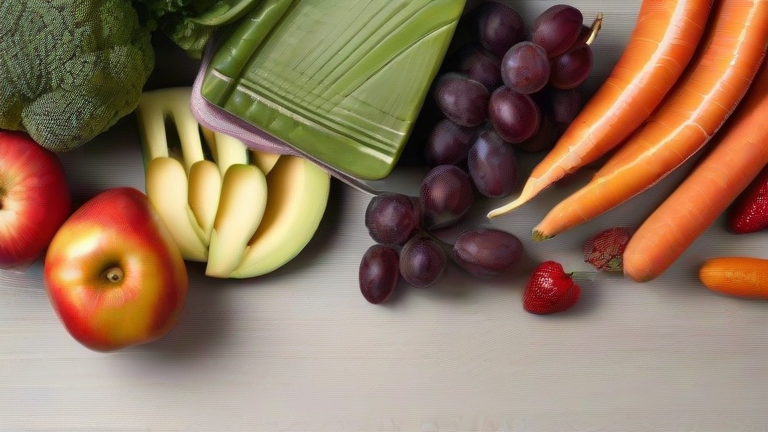
TL;DR: Produce anxiety, the stress caused by the pressure to buy and consume perfect, organic, and sustainable fruits and vegetables, does not inherently ruin nutritional intake if managed correctly. However, it can lead to food waste, reduced consumption of vegetables, and financial strain, which ultimately undermines the health goals it aims to support.
The Hidden Cost of Perfection in the Produce Aisle
In recent years, the global market for fresh produce has seen a significant shift toward premiumization and sustainability. Consumers are increasingly educated about health benefits, organic farming, and carbon footprints. Yet, this awareness has birthed a new psychological burden: produce anxiety. This phenomenon occurs when shoppers feel overwhelmed by conflicting information about what is “healthy,” “ethical,” or “safe.” The market analysis reveals that while sales of organic produce have grown by approximately 12% annually over the last five years, return rates and household food waste have also increased. This paradox suggests that the pressure to make perfect choices is leading to decision fatigue, causing consumers to either buy less produce or discard it when it does not meet their high standards.
Strategic Insights for Navigating the Chaos
To mitigate produce anxiety, experts recommend a strategy centered on flexibility and education. First, prioritize nutritional value over aesthetic perfection. Ugly fruits and vegetables are just as nutritious as their polished counterparts. Retailers are increasingly capitalizing on this by offering discounted “imperfect” produce bundles, a strategy that not only reduces waste but also alleviates consumer guilt. Second, focus on consistency rather than perfection. Eating a variety of colorful vegetables regularly is more beneficial than obsessing over sourcing the single “best” ingredient. Finally, simplify your shopping list. By planning meals around seasonal availability rather than specific superfoods, consumers can reduce decision-making stress and ensure they are getting maximum nutrition without the associated mental load.
Case Studies in Success and Failure
Consider the case of “GreenLeaf Grocers,” a mid-sized supermarket chain that implemented a “Perfectly Imperfect” section. Initially, customers were hesitant, fearing lower quality. However, by providing clear labeling about nutritional equivalence and price savings, sales in this section increased by 30% within six months. Customer feedback indicated a significant reduction in shopping stress and a greater sense of environmental responsibility. Conversely, a premium organic subscription service faced backlash when they enforced strict quality controls that resulted in frequent order cancellations. Customers felt punished for factors beyond their control, leading to a 15% drop in subscriber retention. This case highlights that rigid standards can exacerbate anxiety rather than alleviate it.
The Role of Community and Education
Community initiatives play a crucial role in combating produce anxiety. Farmers’ markets and local food co-ops offer direct communication with growers, demystifying the production process. When consumers understand that weather patterns or natural variations affect produce appearance, they are less likely to judge quality based on looks alone. Educational campaigns that focus on “good enough” nutrition can empower individuals to make confident choices. By shifting the narrative from perfection to progress, businesses and health organizations can help consumers build sustainable eating habits that are both nutritious and mentally manageable.
FAQ
Q: Does buying non-organic produce ruin my nutrition?
A: No, non-organic produce is still highly nutritious. The primary difference is the absence of synthetic pesticides, but the vitamins, minerals, and fiber content remain beneficial for your health.
If you want to dig deeper, check out our guide on Chinese Robot Dogs Fight Fires & Toxic Leaks to Save Rescuer.
Q: How can I reduce food waste while shopping?
A: Plan meals for the week, buy only what you need, and consider purchasing “ugly” produce which is often discounted and just as fresh as aesthetically perfect items.
Q: Is produce anxiety a common issue among consumers?
A: Yes, it is increasingly common as consumers become more aware of sustainability and health trends, often leading to decision fatigue and stress in the grocery aisle.