Produce Anxiety Ruining Nutrition? How Are You Handling It?
TL;DR: The recent surge in “produce anxiety” among consumers is not ruining nutrition but rather forcing the industry to adopt radical transparency and precision agriculture technologies. By leveraging real-time data analytics and blockchain verification, companies are restoring trust and ensuring that nutrient density remains uncompromised despite supply chain pressures.
The Digital Harvest: Technology Meets Consumer Anxiety
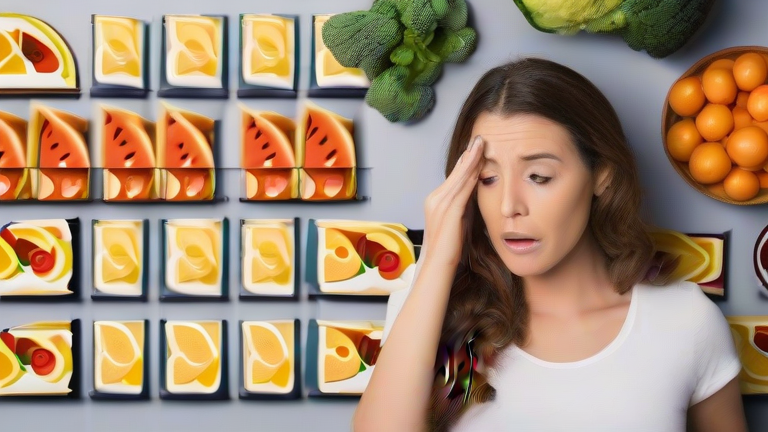
In recent months, a peculiar phenomenon has emerged at the intersection of consumer psychology and food technology. Known colloquially as “produce anxiety,” this condition describes the growing unease shoppers feel when selecting fresh fruits and vegetables, driven by fears of pesticide residue, nutrient depletion, and opaque supply chains. Rather than leading to a decline in nutritional intake, this anxiety has become a catalyst for profound technological innovation within the agricultural sector. The latest developments in smart farming and digital traceability are directly addressing these concerns, ensuring that the nutritional quality of food remains robust while providing consumers with unprecedented visibility into their meals.
Latest Developments in Precision Agriculture
The core of the solution lies in precision agriculture, which utilizes Internet of Things (IoT) sensors, artificial intelligence, and drone imagery to monitor crop health with micron-level accuracy. Unlike traditional farming methods that rely on broad-spectrum pesticides, modern precision ag systems apply treatments only where necessary, significantly reducing chemical loads on produce. Furthermore, advancements in spectroscopic analysis allow retailers to verify the nutrient content of fruits and vegetables before they even reach the shelf. These handheld or conveyor-belt scanners use near-infrared light to assess sugar levels, hydration, and vitamin C content, ensuring that only produce meeting high nutritional standards is sold. This technological shift means that the produce on your shelf is not just visually appealing but scientifically optimized for health.
Industry Impact and Supply Chain Transparency
The impact on the industry has been equally transformative. Major food retailers and grocery chains are now integrating blockchain technology into their supply chains to create immutable records of every step from farm to fork. This “farm-to-table” digital ledger allows consumers to scan a QR code and view the exact location, harvest date, and handling conditions of their apples or kale. Such transparency has forced suppliers to adhere to stricter quality control measures, effectively raising the industry standard for nutrition. The result is a more resilient supply chain that can quickly identify and isolate contamination issues, preventing widespread recalls and maintaining consumer confidence.
Moreover, the rise of vertical farming and hydroponic systems has mitigated the risks associated with climate change and soil degradation. These controlled environment agriculture (CEA) facilities use LED lighting tuned to specific spectrums to enhance the production of beneficial phytonutrients. By controlling the light, water, and nutrient inputs, these facilities produce crops that are often more nutrient-dense than their field-grown counterparts. This technological autonomy ensures that nutrition is not left to the whims of weather patterns, providing a stable and healthy food source regardless of external environmental factors.
Conclusion
Ultimately, produce anxiety is not a barrier to good nutrition but a driver of better food systems. By embracing technology, the industry is turning consumer concerns into opportunities for improvement. The future of food is not just about growing more crops but about growing smarter, healthier, and more transparent crops. As these technologies become more accessible and affordable, the gap between consumer expectations and agricultural reality will continue to narrow, ensuring that everyone has access to nutritious, safe, and high-quality produce.
FAQ
Q: What is produce anxiety?
A: Produce anxiety is a consumer concern regarding the safety, nutrient density, and origin of fresh fruits and vegetables, often driven by fears of pesticides and poor sourcing.
If you want to dig deeper, check out our guide on Should AI Agents Have Company Cards?.
Q: How does precision agriculture improve nutrition?
A: Precision agriculture uses IoT and AI to optimize growing conditions and reduce pesticide use, resulting in cleaner, more nutrient-dense crops through targeted care and monitoring.
Q: What role does blockchain play in food safety?
A: Blockchain creates an immutable, transparent record of the supply chain, allowing consumers to verify the origin and handling of food items, thereby increasing trust and accountability.