Millions of Americans Have Untreated High Blood Pressure: Take Medication
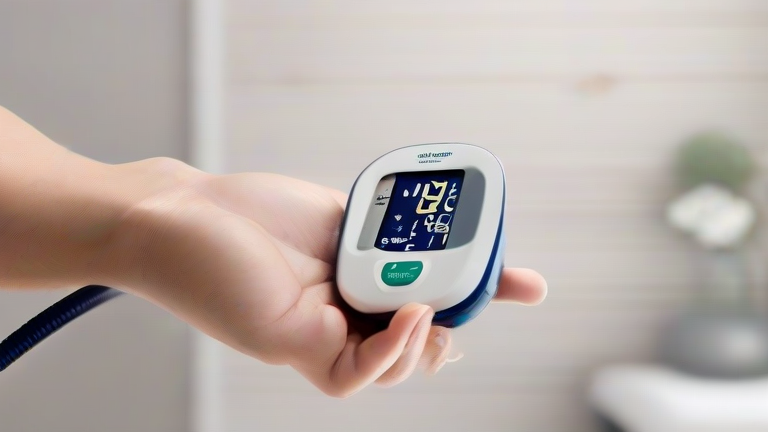
TL;DR: Millions of Americans live with untreated high blood pressure, increasing their risk of heart disease and stroke. You must take prescribed medication consistently and adopt healthy lifestyle changes to manage your condition effectively.
The Silent Epidemic
High blood pressure, or hypertension, is often called the “silent killer” because it typically presents no obvious symptoms until significant damage has occurred. According to the Centers for Disease Control and Prevention, nearly half of all adults in the United States have hypertension, yet only about one in five have it under control. This staggering statistic highlights a critical gap in public health awareness and medical adherence. Ignoring elevated blood pressure levels can lead to severe complications, including heart attack, heart failure, kidney disease, and stroke. Therefore, recognizing the urgency of treatment is the first step toward protecting your long-term health.
The Critical Role of Medication
For many individuals, lifestyle modifications alone are insufficient to lower blood pressure to a safe range. Prescription medications are often necessary to effectively manage this condition. Common classes of drugs include ACE inhibitors, angiotensin II receptor blockers, calcium channel blockers, and diuretics. These medications work through various mechanisms to relax blood vessels, reduce fluid volume, or slow the heart rate. It is vital to understand that skipping doses or stopping medication without consulting your doctor can cause dangerous spikes in blood pressure. Consistency is key; take your medication exactly as prescribed, even if you feel perfectly fine. Your healthcare provider may adjust dosages over time based on regular monitoring, so attend all follow-up appointments to ensure your treatment plan remains effective and safe.
Lifestyle Strategies for Better Health
While medication is a cornerstone of treatment, adopting a heart-healthy lifestyle significantly enhances its effectiveness. Start by reducing your sodium intake. The American Heart Association recommends no more than 2,300 milligrams a day, moving toward an ideal limit of no more than 1,500 mg per day for most adults. Focus on a diet rich in fruits, vegetables, whole grains, and low-fat dairy products, such as the DASH diet. Regular physical activity is equally important. Aim for at least 150 minutes of moderate-intensity aerobic activity, such as brisk walking, each week. Additionally, limit alcohol consumption and avoid smoking, as both significantly elevate blood pressure. Managing stress through techniques like meditation, deep breathing, or yoga can also help keep your numbers in check. Combining these lifestyle changes with medical treatment creates a powerful defense against hypertension.
FAQ
Q: Can I stop taking my blood pressure medication if I feel fine?
A: No, never stop taking prescribed medication without consulting your doctor, as high blood pressure often has no symptoms but continues to damage your body.
If you want to dig deeper, check out our guide on How to Market Your Waitlist: 5 Proven Strategies (2024).
Q: How often should I check my blood pressure at home?
A: Your doctor will advise on a schedule, but many patients are encouraged to check it regularly to monitor trends and medication effectiveness.
Q: Does diet really make a difference in controlling hypertension?
A: Yes, reducing sodium and eating a balanced diet like DASH can significantly lower blood pressure and reduce the amount of medication needed.