Living in Santorini, Greece: Why It’s a Dream Destination 🇬🇷
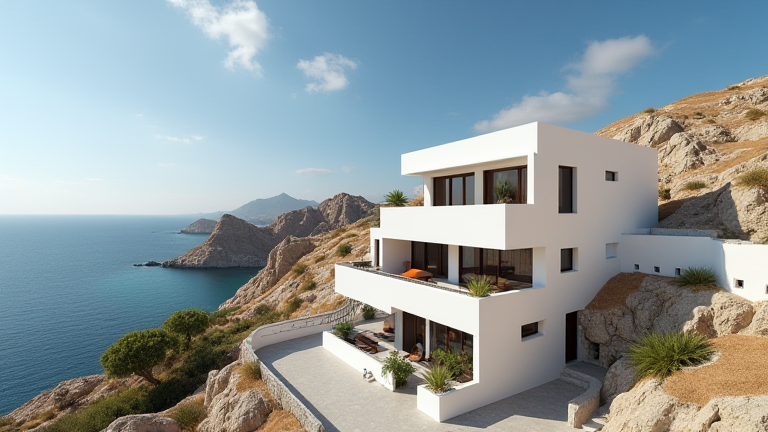
TL;DR: Living in Santorini offers unparalleled lifestyle benefits, including breathtaking views and a vibrant cultural scene, but requires careful financial planning due to high living costs. Strategic relocation involves securing long-term housing early and understanding local business regulations to maximize the island’s unique economic opportunities.
The Allure of the Aegean
Santorini is not merely a tourist hotspot; it is a global symbol of beauty and tranquility. For digital nomads and retirees alike, the island presents a compelling proposition. The white-washed buildings against the deep blue sea create an aesthetic that is hard to replicate elsewhere. However, beneath the postcard-perfect imagery lies a complex real estate and lifestyle market that demands strategic insight.
Market Analysis: High Demand, Limited Supply
The property market in Santorini has experienced significant growth. Demand for short-term rentals has outpaced supply, driving up purchase prices and rental rates. According to recent data, property values have appreciated by over 15% annually in prime areas like Oia and Fira. This trend indicates a robust investment climate but poses challenges for residents seeking affordable long-term housing. The tourism sector, which contributes significantly to the local GDP, creates a dual economy. While this boosts service industry jobs, it also inflates the cost of daily goods and services. Investors must navigate this inflationary pressure by budgeting for higher operational costs.
Strategic Insights for Relocation
Successful relocation requires more than just a visa. Strategic planning involves understanding the seasonal nature of the island’s economy. During peak summer months, infrastructure can become strained, affecting utilities and transportation. Therefore, choosing a location slightly away from the main tourist hubs, such as Megalochori or Pyrgos, can offer a more balanced living experience. Additionally, engaging with local communities is crucial. Networking with other expats and locals can provide valuable insights into navigating bureaucracy and accessing hidden gems on the island. Businesses looking to operate in Santorini should focus on sustainable tourism models. Consumers are increasingly environmentally conscious, and businesses that prioritize eco-friendly practices often enjoy better brand loyalty and regulatory support.
Case Study: The Digital Nomad Hub
Consider the case of “Aegean Connect,” a co-working space established in Imerovigli. By targeting remote workers, they capitalized on the growing trend of location-independent professionals. Despite high initial setup costs, their revenue model thrived due to high occupancy rates during shoulder seasons. They mitigated risks by offering flexible membership plans and partnering with local hotels for accommodation packages. This case illustrates that while the market is competitive, niche targeting and strategic partnerships can lead to success. Another example is a local olive oil producer who expanded their market by leveraging e-commerce platforms. By storytelling their brand’s heritage online, they reached customers globally, reducing reliance on local foot traffic and stabilizing revenue streams.
Conclusion
Living in Santorini is a dream for many, but it requires a well-thought-out strategy. Understanding the market dynamics, embracing sustainable practices, and integrating into the community are key to a fulfilling experience. Whether you are investing in property or starting a business, the island offers unique opportunities for those willing to navigate its complexities with foresight and respect for its local culture.
FAQ
Q: Is it difficult to find long-term rental accommodation in Santorini?
A: Yes, due to high demand from tourists, long-term rentals are scarce and expensive, so securing housing early is essential.
If you want to dig deeper, check out our guide on 10 Proven Health Tips to Boost Energy & Wellness Today.
Q: What are the main challenges for businesses operating in Santorini?
A: Seasonal fluctuations in tourism and high operational costs are the primary challenges, requiring flexible business models.
Q: Are there specific visa requirements for non-EU residents moving to Greece?
A: Non-EU citizens typically need a digital nomad visa or a long-term residence permit, which requires proof of income and health insurance.