Living Abroad in Malaysia: Why I Realized How Good I Have It
TL;DR: Living in Malaysia taught me to appreciate the quiet stability and accessible healthcare of my home country, which I previously took for granted. The vibrant, affordable lifestyle abroad highlighted how my previous environment provided a crucial foundation for long-term mental and physical well-being that is often overlooked in the hustle of daily life.
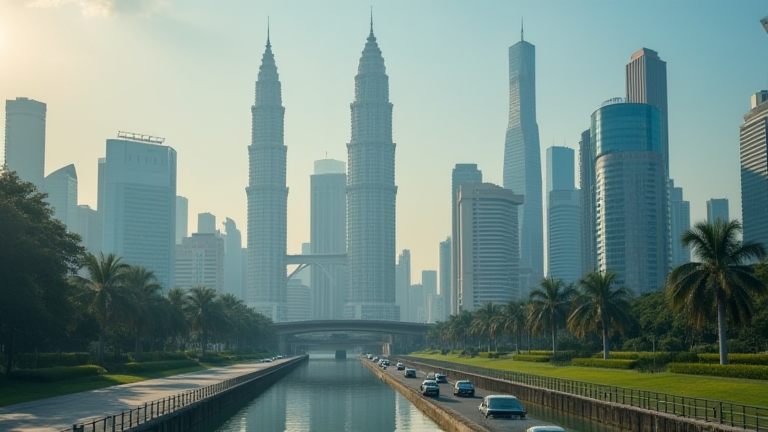
When I first moved to Kuala Lumpur, I traded the gray skies and predictable routines for a humid, chaotic, and incredibly vibrant existence. I expected to feel a surge of excitement and liberation. Instead, after six months, I found myself missing the simplicity of my previous life. This realization was not about nostalgia; it was a profound awakening to the value of structural stability in maintaining holistic health. Science backs this up: chronic exposure to high-stress environments, even exciting ones, can elevate cortisol levels, leading to long-term health issues. While Malaysia is beautiful, the underlying anxiety of navigating a foreign system without a support network took a toll on my sleep and immunity.
If you want to dig deeper, check out our guide on Male Hygiene Fungal Experiment: What Happens?.
The Cost of Convenience vs. The Value of Stability
In Malaysia, everything is convenient. Grab rides arrive in minutes, street food is delicious and cheap, and the weather is always warm. However, this convenience came with hidden costs. The air quality in certain months drops significantly, posing risks for respiratory health. I found myself constantly researching filtration systems and avoiding outdoor runs during high pollution indexes. Back home, I had access to clean parks and reliable public transportation that did not require constant mental calculation of safety and cost. This shift forced me to re-evaluate what “good” looks like. It is not just about immediate gratification or ease of access; it is about sustainable, low-stress living that allows the body to rest and recover.
Reconnecting with Mindful Habits
Living abroad stripped away my routine. I had to rebuild my relationship with food, exercise, and sleep from scratch. I learned that while local cuisine is flavorful, it is often high in sodium and sugar. I had to become intentional about finding fresh produce and cooking at home to maintain my dietary balance. This experience taught me the importance of autonomy over one’s health choices. When you are in a foreign land, you cannot rely on ingrained habits. You must actively choose wellness. This active choice is more powerful than passive convenience. It strengthens mental resilience and fosters a deeper appreciation for the infrastructure that supports health in stable environments. I realized that my previous life offered a safety net that allowed me to focus on growth rather than survival.
The Power of Community and Connection
Loneliness was a significant challenge. Building a community takes time and energy, resources that are often better spent on personal well-being in a supportive environment. The transient nature of expat life can create a sense of rootlessness that impacts mental health. Studies show that strong social connections are a primary predictor of longevity. Missing the deep, long-term friendships and family support of home highlighted how vital these bonds are for emotional regulation. I learned to value the depth of my previous connections over the breadth of new acquaintances. This shift in perspective allowed me to return home with a renewed gratitude for the stability that fosters deep, lasting relationships.
FAQ
Q: How does living abroad affect mental health?
A: It can cause culture shock and loneliness, which may increase stress hormones and disrupt sleep patterns if not managed with strong coping strategies.
Q: What are the health benefits of returning home after living abroad?
A: Returning provides access to familiar healthcare systems, social support networks, and environmental stability, which collectively reduce chronic stress and improve overall well-being.
Q: Can I maintain good health while living in a high-pollution area?
A: Yes, by using air purifiers, monitoring air quality indexes, wearing masks outdoors, and focusing on indoor exercise and a nutrient-rich diet to support respiratory health.