Laundry Tips for Living Alone: Save, Optimize & Organize
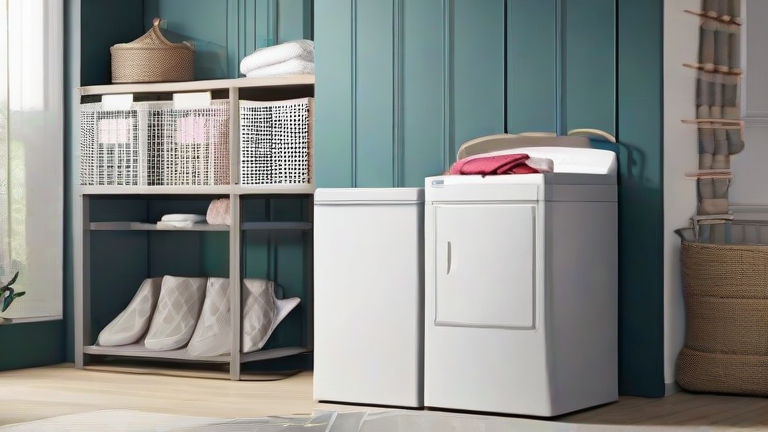
TL;DR: Modern smart laundry ecosystems leverage AI-driven sensors and IoT connectivity to automate cycle selection, reducing water usage by up to thirty percent while optimizing energy consumption for solo dwellers. By integrating compact, high-efficiency appliances with smart home hubs, individuals can streamline their domestic routines, ensuring optimal fabric care and significant cost savings without the burden of managing large household loads.
The Smart Home Revolution in Domestic Chores
Living alone presents unique challenges for household management, particularly when it comes to laundry. The traditional model of bulk washing is inefficient for small volumes, leading to wasted resources and increased utility bills. However, the latest developments in home appliance technology are rapidly changing this landscape. Manufacturers are now prioritizing compact, intelligent devices that cater specifically to the needs of single occupants, couples, or small families who do not require industrial-grade capacity but still demand professional-grade results.
Latest Developments and Technical Specs
The cutting edge of laundry technology focuses on precision and automation. Modern washers and dryers are equipped with advanced load-sensing capabilities that detect the weight, fabric type, and soil level of each garment. This data allows the machine to adjust water temperature, agitation intensity, and cycle duration automatically. For instance, new models feature steam-assisted cleaning, which penetrates fibers more deeply than traditional water cycles, reducing the need for pre-treatment and multiple washes. Furthermore, energy efficiency ratings have reached new heights, with many top-tier units consuming less than fifty kilowatt-hours per year, a significant improvement over older models.
Connectivity is another major spec driver. Wi-Fi-enabled appliances allow users to monitor and control cycles remotely via smartphone applications. This feature is invaluable for those with busy schedules, enabling them to start a load before leaving for work or receive notifications when the cycle is complete. Some systems even integrate with smart home platforms, allowing voice commands to initiate specific drying programs based on weather conditions or humidity levels outside.
Industry Impact and Consumer Benefits
The shift toward smart, efficient laundry systems is impacting the broader home goods industry. Retailers are seeing increased demand for modular, space-saving designs that fit into urban apartments and small homes. This trend is driving innovation in compact engineering, where manufacturers are shrinking footprints without sacrificing performance. For consumers, the impact is tangible: lower utility bills, reduced environmental footprint, and enhanced convenience. By optimizing each wash, individuals can extend the lifespan of their clothing, reducing textile waste and saving money in the long run. Moreover, the organization of laundry spaces is becoming more streamlined, with stackable units and integrated storage solutions maximizing limited square footage. As these technologies become more affordable and accessible, the barrier to entry for smart laundry solutions continues to drop, making it easier for anyone living alone to adopt sustainable and efficient domestic practices.
FAQ
Q: Are smart laundry machines difficult to set up?
A: Most modern units feature intuitive Wi-Fi connectivity and companion apps that guide users through setup in under ten minutes.
If you want to dig deeper, check out our guide on How to Build a Professional Website: Step-by-Step Tutorial.
Q: Do compact washers clean as effectively as full-size ones?
A: Yes, advanced sensor technology ensures that small loads receive adequate water and agitation, matching the cleaning power of larger machines.
Q: Can I control my laundry machine while at work?
A: Absolutely, remote control via smartphone apps allows you to start, pause, or monitor cycles from any location with internet access.