Lab-Grown Leather: The Future of Sustainable Fashion
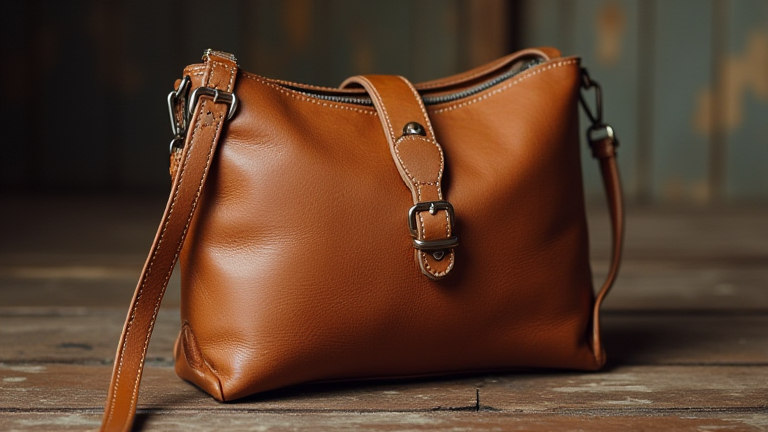
TL;DR: Lab-grown leather is rapidly becoming the definitive future of sustainable fashion by offering a cruelty-free alternative that matches animal hide in durability and aesthetic appeal. This bio-engineered material addresses the environmental crises of traditional livestock farming, positioning itself as the essential solution for eco-conscious brands seeking scalable, ethical production methods.
The Rise of Bio-Engineered Materials
The fashion industry stands at a critical juncture. Traditional leather production is notoriously resource-intensive, requiring vast amounts of water and contributing significantly to greenhouse gas emissions. In contrast, lab-grown leather, or cultured leather, is produced through cellular agriculture. Scientists take a small sample of animal cells and grow them in a bioreactor, creating a material that is biologically identical to real leather but without the need for slaughter. This innovation promises to decouple luxury from environmental degradation.
Market analysis indicates a robust trajectory for this sector. According to recent reports, the global cultured leather market is projected to reach approximately $3.5 billion by 2030, growing at a compound annual growth rate of over 25%. Major luxury houses and sportswear giants are already investing heavily in startups like Modern Meadow and Bolt Threads. These partnerships signal a shift from experimental novelty to mainstream commercial viability.
Expert Insights and Future Predictions
Industry experts emphasize that the primary challenge is not scientific but economic. Currently, the cost of production remains high due to small-scale manufacturing. However, as technology scales, prices are expected to drop parity with traditional leather within the next five to seven years. Dr. Elena Rostova, a leading material scientist, notes, “We are moving past the prototype phase. The next decade will define whether bio-leather becomes a niche alternative or the industry standard.”
Looking ahead, the integration of AI in cellular design will allow for customizable textures and colors, reducing waste further. Furthermore, regulatory pressures regarding sustainability will likely accelerate adoption. Brands that fail to adapt risk obsolescence as consumer awareness regarding animal welfare and carbon footprints grows. The future of fashion is not just about aesthetics; it is about ethical responsibility and technological innovation converging to create a cleaner, more compassionate industry.
FAQ
Q: Is lab-grown leather durable?
A: Yes, it possesses tensile strength and durability comparable to traditional animal leather, making it suitable for high-wear items like shoes and bags.
If you want to dig deeper, check out our guide on Best Ergonomic Office Chairs for Back Pain in 2024.
Q: How much water does it save?
A: Production requires up to 90% less water than raising livestock for traditional leather, significantly reducing the environmental footprint.
Q: Will it replace all animal leather soon?
A: While adoption is growing, a complete replacement is unlikely before 2035 due to current production costs and infrastructure limitations.