If You Prioritize Fiber: How to Boost Gut Health & Digestion
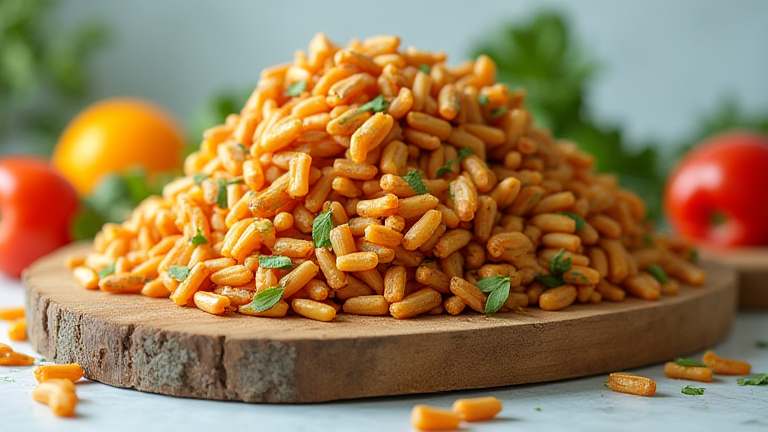
TL;DR: To boost gut health and digestion by prioritizing fiber, you must gradually increase your intake of diverse plant-based foods while ensuring adequate hydration. This dual approach allows your microbiome to adapt effectively, reducing discomfort while maximizing nutrient absorption and metabolic benefits.
The Journey to a Healthier Gut
In the bustling rhythm of modern life, we often overlook the silent engine driving our well-being: the digestive system. For years, the narrative around nutrition focused heavily on protein, fats, and carbohydrates. However, a quiet revolution has been taking place in kitchens and cultural conversations alike, centered on a humble yet powerful nutrient: fiber. Prioritizing fiber is not just about preventing constipation; it is about cultivating a vibrant ecosystem within your body that influences everything from your mood to your immune response. This shift in perspective represents a profound opportunity for personal growth and holistic health.
Food as Cultural Connection
Embracing fiber often means revisiting traditional cuisines that have long understood the value of plant-based nutrition. In many Mediterranean and Asian cultures, meals are built around vegetables, legumes, and whole grains. These diets are not merely about sustenance; they are about community and heritage. When you choose to incorporate more beans, lentils, and leafy greens into your diet, you are participating in a global culinary tradition that has supported digestive health for centuries. This cultural angle transforms the act of eating from a mundane routine into a meaningful practice of connecting with history and geography. You begin to see food not just as fuel, but as a bridge to different ways of living.
Traveling Through Your Own Body
Think of your digestive tract as a landscape waiting to be explored. When you prioritize fiber, you are essentially paving the roads for beneficial bacteria to thrive. Soluble fiber, found in oats and apples, acts like a sponge, soaking up excess cholesterol and sugar. Insoluble fiber, found in whole wheat and nuts, adds bulk to stool, helping it move smoothly through the digestive system. This journey requires patience. A sudden influx of fiber can cause bloating and discomfort, which is why a gradual approach is essential. Start by adding one extra serving of vegetables or swapping refined grains for whole grains. Over time, your body adapts, and you may notice increased energy levels, clearer skin, and improved mental clarity.
The Mind-Gut Connection
Personal growth is deeply intertwined with physical health. A healthy gut produces serotonin, a neurotransmitter that regulates mood and sleep. By prioritizing fiber, you are indirectly supporting your mental well-being. This holistic view encourages mindfulness in eating habits. It invites you to slow down, savor your meals, and listen to your body’s signals. As you navigate this journey, remember that consistency is key. Small, sustainable changes yield the most significant long-term results. Embrace the process of discovery, and let your gut health become a testament to your commitment to self-care.
FAQ
Q: How much fiber should I aim to consume daily?
A: Most adults should aim for 25 to 38 grams of fiber per day, depending on age and gender, to support optimal digestive health.
If you want to dig deeper, check out our guide on 10 Science-Backed Health Tips for a Longer, Happier Life.
Q: Can I get enough fiber from supplements alone?
A: No, whole foods provide additional nutrients and phytochemicals that supplements cannot replicate, making dietary sources essential for comprehensive health.
Q: What are the best high-fiber foods for beginners?
A: Excellent starting options include oats, chia seeds, berries, and lentils, which are easy to incorporate into daily meals without causing excessive discomfort.