How to Rent Out a Spare Bedroom in Your Home
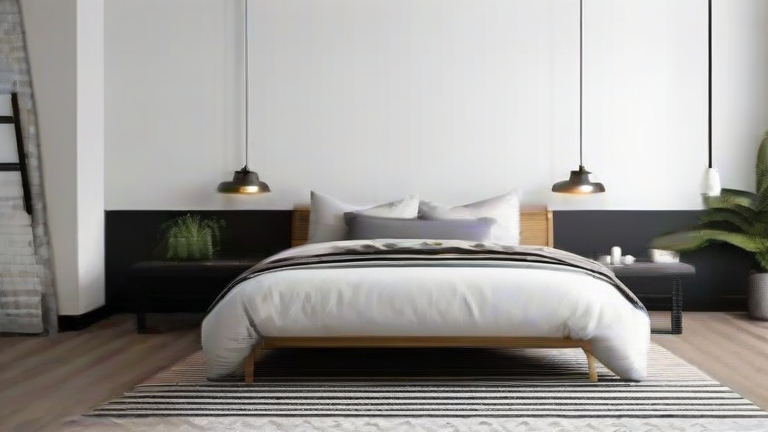
TL;DR: Renting out a spare bedroom involves carefully vetting potential tenants, establishing clear legal boundaries, and ensuring your living space remains comfortable for both parties. Successful hosting requires balancing financial gain with personal wellness by maintaining open communication and respecting shared boundaries.
Turning Empty Space into Wellness and Wealth
In an era where housing costs continue to rise, utilizing a spare bedroom offers a practical solution for financial relief. However, the decision to rent out a portion of your home is not merely a transactional one; it is a significant lifestyle change that impacts your mental health, daily routine, and social dynamics. From a scientific perspective, introducing another person into your private sanctuary can increase cortisol levels if boundaries are not strictly defined. Therefore, approaching this venture with mindfulness and structure is essential for maintaining overall well-being.
Preparation and Mental Readiness
Before listing your space, conduct a thorough self-assessment. Are you prepared for reduced privacy? Research suggests that individuals with high needs for personal space may experience increased stress when sharing living areas. If you value solitude, consider renting out a room with an ensuite bathroom to create a distinct zone for the tenant. This physical separation helps mitigate potential conflicts and preserves your sense of autonomy. Additionally, ensure your home is safe and compliant with local zoning laws. Ignoring legal requirements can lead to anxiety and financial penalties, undermining the wellness benefits you seek.
Selecting the Right Tenant
The compatibility of your tenant is the most critical factor in this arrangement. Treat the screening process with the same rigor as hiring an employee. Look for individuals who align with your household values and lifestyle. For instance, if you are an early riser who enjoys quiet mornings, a night-shift worker might be a harmonious choice. Conversely, if you host frequent social gatherings, a quiet professional might feel constrained. Background checks are non-negotiable; they provide a layer of security that protects your peace of mind. Clear written agreements regarding noise levels, guest policies, and cleaning responsibilities prevent misunderstandings that can erode mental health over time.
Maintaining a Harmonious Household
Establishing a “house manual” can significantly reduce daily friction. This document should outline expectations for shared spaces, such as the kitchen and living room. From a psychological standpoint, predictable routines reduce cognitive load and stress. Encourage open dialogue by scheduling regular, brief check-ins to address any concerns before they escalate. Remember, a tenant is not a roommate in the traditional sense; they are a customer. Maintaining a professional distance helps preserve the emotional intimacy of your home with family members or partners. Prioritize your sleep hygiene and personal downtime to ensure that the extra income does not come at the cost of your physical health.
Financial and Emotional Rewards
When executed correctly, renting a spare bedroom can alleviate financial pressure, which is a major contributor to anxiety. The additional income can be allocated to health-related expenses, such as gym memberships, nutritious groceries, or mental health therapy. By creating a structured, respectful environment, you transform a potentially stressful situation into a source of stability and connection. Ultimately, the goal is to enhance your quality of life, not compromise it.
FAQ
Q: How do I handle noise disturbances from my tenant?
A: Establish clear noise policies in your lease agreement and address issues immediately through calm, direct communication to prevent resentment.
If you want to dig deeper, check out our guide on The Rise of Sustainable Sneakers: Eco-Friendly Fashion Trend.
Q: Should I insure my property differently if I rent a room?
A: Yes, standard homeowner’s insurance may not cover rental activities; consult your provider to ensure you have adequate liability and property coverage.
Q: What is the best way to screen potential tenants?
A: Conduct thorough background and credit checks, verify employment, and interview candidates to assess lifestyle compatibility and respect for boundaries.