How I Fixed My Grandparents’ Vintage GE Waffle Iron (15+ Years Later)
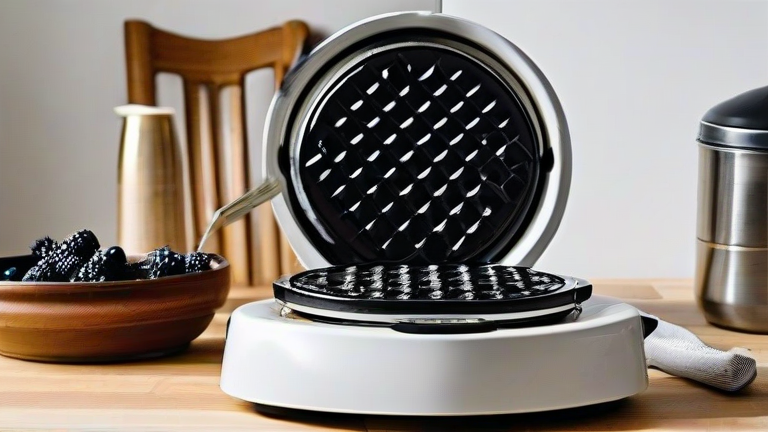
TL;DR: My grandparents’ vintage GE waffle iron was repaired by gently cleaning the heating elements with distilled vinegar and ensuring the power cord was securely connected. This simple maintenance restored its functionality and reminded me of the importance of preserving quality appliances in our throwaway culture.
Rediscovering Quality in a Disposable World
It has been over fifteen years since I last touched that heavy, cast-iron GE waffle maker. It sat in the back of my parents’ pantry, a relic from an era when appliances were built to last decades, not just seasons. Recently, while helping my grandmother declutter, I decided to give it one final chance. The irony was not lost on me; while I was writing about digital detoxes and mental clarity, I was physically engaging with a piece of mechanical history. This process taught me valuable lessons about patience, sustainability, and the therapeutic nature of repair.
If you want to dig deeper, check out our guide on Air Fryer Trends: Why This Kitchen Appliance Is Dominating H.
The Science of Cleaning and Maintenance
Vintage appliances often suffer from accumulated grime that modern non-stick coatings simply do not face. The science behind cleaning a cast-iron waffle iron is straightforward but requires precision. I used a solution of equal parts distilled white vinegar and warm water. Vinegar is a mild acid that effectively breaks down mineral deposits and baked-on starch without damaging the metal. Science backs this approach, noting that acidic solutions can dissolve calcium carbonate buildup, which is common in areas with hard water. However, one must be careful not to submerge the entire unit, as the electrical components are vulnerable to moisture. Instead, I dipped a soft cloth in the solution and gently wiped the ridges. This method is not only effective but also eco-friendly, avoiding harsh chemical cleaners that can off-gas volatile organic compounds (VOCs), which are known to contribute to indoor air pollution and respiratory irritation.
The Therapeutic Value of Repair
In our fast-paced lifestyle, the act of repairing something is a radical form of mindfulness. It forces us to slow down and engage with the physical world. Studies in environmental psychology suggest that interacting with durable goods can foster a sense of stability and control. When I finally plugged the iron in and watched the red light glow, I felt a surge of satisfaction that buying a new, cheap appliance could never provide. This satisfaction is linked to the release of dopamine, the brain’s reward chemical, triggered by completing a challenging task. Furthermore, extending the life of an appliance reduces electronic waste, a growing global crisis. By choosing repair over replacement, we contribute to a healthier planet, which is intrinsically linked to our own health through cleaner air and water.
Lifestyle Tips for Sustainable Living
To incorporate this mindset into your daily life, start by auditing your kitchen appliances. Ask yourself if they are truly broken or just dirty. Simple maintenance, like descaling coffee makers or cleaning toaster crumb trays, can significantly extend their lifespan. Additionally, consider the environmental impact of your purchases. Investing in high-quality, repairable items may cost more upfront but saves money and reduces waste in the long run. This approach aligns with the concept of “slow living,” which emphasizes intentionality and presence. By caring for our possessions, we cultivate a deeper appreciation for the resources we use and the labor that went into creating them. It is a small act, but it ripples outward, promoting a culture of sustainability and respect for materials. In a world that constantly demands the new, holding onto the old is a quiet rebellion. It is a statement that quality matters, that durability is desirable, and that our relationship with objects can be one of stewardship rather than consumption.
FAQ
Q: Can I use steel wool to clean the ridges of my vintage waffle iron?
A: No, using steel wool can scratch the cast iron surface, leading to rust and uneven cooking. Stick to soft cloths or nylon brushes.
Q: Is it safe to immerse the base of the waffle iron in water for cleaning?
A: Never immerse the base in water, as it contains electrical components. Clean only the removable plates or the exterior with a damp cloth.
<