Frugal Car Enthusiast: How to Love Cars Without Breaking the Bank
TL;DR: You can maintain your passion for automotive engineering by leveraging the surge in affordable electric vehicles and mastering basic DIY maintenance techniques. Prioritizing reliability and longevity over prestige ensures you stay engaged with car culture while protecting your financial health.
The Shift in Automotive Economics
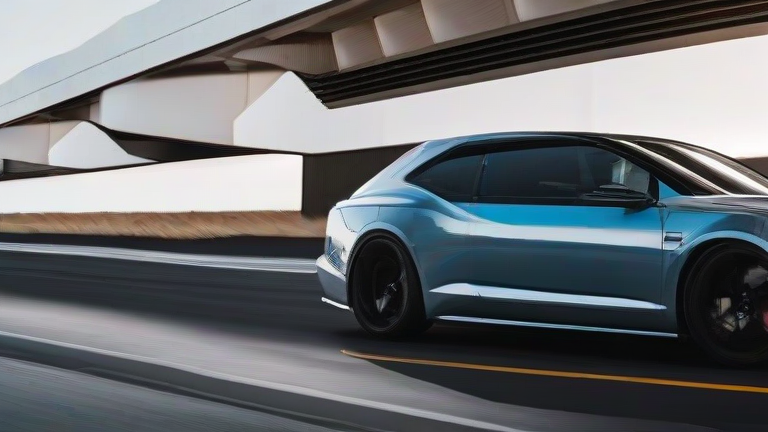
The traditional view that loving cars requires significant disposable income is rapidly becoming obsolete. Recent industry shifts have introduced a new breed of affordable technology that appeals to budget-conscious enthusiasts. The most significant development is the democratization of electric vehicle (EV) technology. Historically reserved for luxury segments, EVs are now entering the mass market with competitive pricing. The latest models from mainstream manufacturers offer impressive range capabilities and instant torque, providing the driving excitement that defines car enthusiasm without the premium price tag. For instance, new compact EVs now boast ranges exceeding 250 miles on a single charge, rivaling internal combustion engines while offering drastically lower operating costs. This shift impacts the industry by forcing traditional manufacturers to innovate on cost-efficiency rather than just raw power, creating a more accessible market for everyday drivers who still crave performance.
Smart Specs and Sustainable Choices
When selecting a vehicle, focusing on total cost of ownership rather than the sticker price is crucial. Modern software updates have transformed cars into rolling computers, meaning features that once required expensive dealership visits can now be improved via over-the-air updates. Enthusiasts should look for vehicles with robust community support and readily available parts. The rise of modular design in newer models allows for easier repairs and upgrades, extending the vehicle’s lifespan. Furthermore, the used car market has seen a stabilization in prices, making certified pre-owned vehicles a viable option. These cars often come with warranties and have undergone rigorous inspections, providing peace of mind. The industry impact of this trend is a growing secondary market for parts and accessories, fostering a community where knowledge and resources are shared freely. By choosing a car with a strong aftermarket support network, enthusiasts can customize and maintain their vehicles without incurring prohibitive costs.
DIY and Community Engagement
Beyond the purchase, the culture of car ownership is evolving. Online forums and social media platforms have made technical knowledge more accessible than ever. Beginners can learn essential maintenance skills, from oil changes to brake pad replacements, through free video tutorials. This self-reliance not only saves money but also deepens the connection between the driver and their machine. The impact on the industry is a decrease in dealership dependency for routine maintenance, pushing service centers to offer more value-added services. Additionally, car clubs and local meetups have adapted by focusing on educational workshops rather than just social gatherings. These events provide hands-on learning opportunities, allowing enthusiasts to share tips and troubleshoot common issues together. This collaborative approach ensures that car love remains a sustainable hobby, accessible to individuals from all financial backgrounds.
FAQ
Q: What is the most affordable way to start a car hobby?
A: Start by joining local car clubs and learning basic maintenance through online resources, then purchase an older, reliable model with a strong parts availability.
If you want to dig deeper, check out our guide on Top 10 Tech Trends Shaping the Future in 2024.
Q: Are electric vehicles actually cheaper to own?
A: Yes, despite higher upfront costs, EVs often have lower total ownership costs due to reduced maintenance needs and significantly cheaper fuel expenses compared to gas vehicles.
Q: How has technology changed car maintenance costs?
A: Over-the-air updates and diagnostic tools have reduced the need for frequent dealership visits, allowing owners to perform many software and minor hardware fixes themselves.