Cheap Thrift Furniture Fixes That Actually Held Up
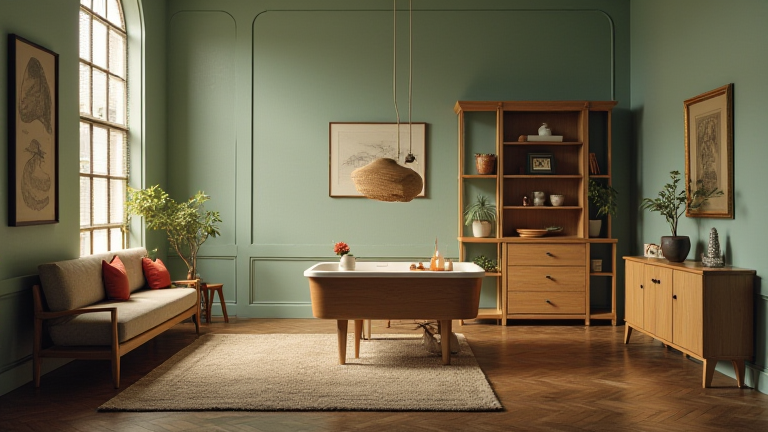
TL;DR: Upcycling thrifted furniture significantly reduces environmental waste while offering substantial cost savings compared to buying new, mass-produced items. By prioritizing structural integrity and using non-toxic finishes, you can create durable, stylish pieces that enhance your home’s aesthetic and your mental well-being.
The Sustainability of Second-Hand Living
In an era defined by fast furniture and disposable culture, choosing second-hand pieces is not just an economic choice but a profound ecological statement. The manufacturing of new furniture generates immense carbon emissions, from raw material extraction to global shipping. By extending the lifecycle of existing items, we actively participate in a circular economy that reduces landfill waste. Studies in environmental psychology suggest that living in spaces filled with unique, curated objects can lower stress levels and increase feelings of personal identity and comfort. This connection to our surroundings fosters a sense of groundedness that sterile, mass-produced environments often lack.
Structural Integrity First
Before applying any aesthetic changes, the most critical step is assessing the structural soundness of the piece. Loose joints, wobbly legs, or damaged frames can be repaired with wood glue, clamps, and screws, often costing less than $20. A sturdy foundation ensures longevity, preventing the need for replacement and saving money in the long run. This process requires patience and attention to detail, but the result is a piece of furniture that is safer and more reliable than its new counterparts. Reinforcing these weak points transforms potential trash into treasured heirlooms that can last for decades.
Non-Toxic Finishes for Health
Many modern furniture items are treated with volatile organic compounds (VOCs) that can off-gas harmful chemicals into your home. When refinishing thrifted items, opt for low-VOC or zero-VOC paints, natural oils like linseed or tung oil, and water-based sealants. These choices protect your indoor air quality, reducing the risk of respiratory irritation and headaches. Additionally, sanding down rough surfaces not only improves the tactile experience but also removes old, potentially lead-based paints found in older pieces. Proper safety gear, such as masks and gloves, should always be used during this process to ensure personal safety.
Mental Health and DIY
Engaging in DIY furniture restoration offers therapeutic benefits. The repetitive motions of sanding and painting can induce a state of flow, reducing anxiety and promoting mindfulness. Completing a project provides a tangible sense of accomplishment, boosting self-esteem and creativity. This hands-on approach encourages a slower, more intentional lifestyle, allowing individuals to connect with their homes on a deeper level.
FAQ
Q: Is it safe to sand old furniture without a mask?
A: No, always wear a proper respirator mask to protect against dust particles and potential lead paint exposure.
If you want to dig deeper, check out our guide on Google Apologizes: No Refund for Lost LoTR Movies from Libra.
Q: How can I tell if thrifted furniture is structurally sound?
A: Check for wobbly joints, cracks in the wood, and loose screws; apply gentle pressure to test stability before buying.
Q: What is the best finish for high-traffic areas?
A: A durable polyurethane topcoat over painted or stained wood provides excellent protection against scratches and wear.