Air Fryer Trends: Why This Kitchen Appliance Is Dominating Home Cooking
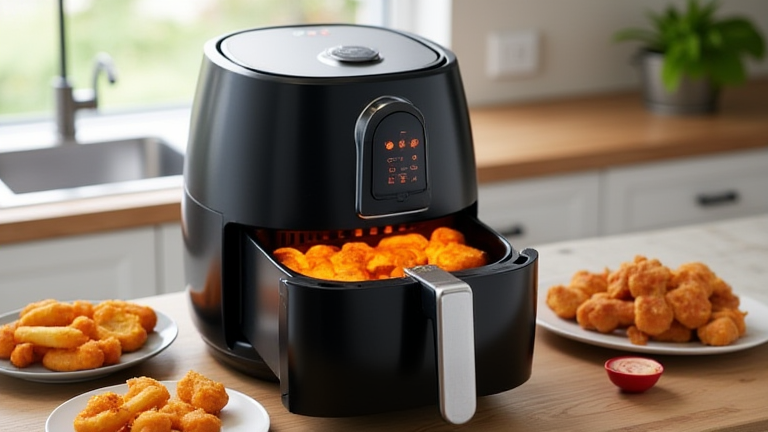
TL;DR: The air fryer’s dominance stems from its unique ability to replicate crispy fried textures using minimal oil, appealing to health-conscious consumers seeking convenience. This appliance has evolved from a niche gadget into a kitchen staple, driven by rapid innovation and shifting dietary preferences that prioritize efficiency without sacrificing flavor.
The kitchen landscape has undergone a radical transformation in the last five years, with the air fryer emerging as the undisputed champion of modern culinary appliances. Once relegated to the periphery of small kitchen electronics, these devices are now central to how households prepare meals. The surge in popularity is not merely a passing fad but a structural shift in consumer behavior, fueled by a growing demand for healthier cooking methods that do not compromise on taste or texture. Market analysts note that the global air fryer market size was valued at approximately USD 1.5 billion in 2021 and is projected to expand at a compound annual growth rate (CAGR) of over 9% through 2030. This robust growth trajectory indicates that air fryers have cemented their place in the average home kitchen, displacing traditional deep fryers and even competing with conventional ovens for daily use.
If you want to dig deeper, check out our guide on Best Noise-Canceling Headphones for Travelers in 2026.
Health and Convenience Drive Adoption
At the core of this trend is the dual promise of health and speed. Traditional deep frying involves submerging food in hot oil, leading to high calorie counts and increased intake of unhealthy fats. Air fryers, conversely, utilize rapid air technology to circulate hot air around the food, creating a Maillard reaction that results in a crispy exterior while using up to ninety percent less oil. This significant reduction in fat content resonates deeply with health-conscious consumers who are increasingly scrutinizing their dietary choices. Furthermore, the convenience factor cannot be overstated. In an era where time is a scarce resource, the air fryer offers a swift alternative to preheating a full-sized oven. Its compact design and faster cooking times make it ideal for quick weeknight dinners, healthy snacking, and even reheating leftovers with superior results compared to microwaves.
Expert Insights on Market Evolution
Industry experts suggest that the initial wave of adoption was driven by novelty, but sustained growth is now powered by product innovation and integration. “We are seeing a move towards smarter, more versatile appliances,” notes Dr. Elena Rossi, a leading analyst in home appliance trends. “Consumers no longer want standalone gadgets; they want multifunctional devices that can bake, roast, dehydrate, and air fry simultaneously.” This insight explains the recent surge in large-capacity models and dual-basket designs that allow for cooking multiple items at different temperatures. Major brands are also investing heavily in connectivity features, integrating air fryers into smart home ecosystems to allow for remote control and recipe syncing via smartphone apps. This technological integration enhances user experience and encourages repeat usage, further solidifying the appliance’s role in daily cooking routines.
Future Predictions and Sustainability
Looking ahead, the air fryer market is expected to prioritize sustainability and energy efficiency. As consumers become more environmentally aware, manufacturers are responding with models designed to consume less electricity than traditional ovens. The future will likely see a greater emphasis on durable, repairable designs and the use of eco-friendly materials in construction. Additionally, we can anticipate a wider variety of specialized air fryers catering to specific dietary needs, such as vegan or gluten-free cooking presets. The appliance’s ability to reduce food waste by efficiently reheating and crisping leftovers will also be a key selling point. As technology continues to advance, the air fryer will likely remain a dominant force in home cooking, evolving to meet the changing needs of modern households while maintaining its core appeal of healthy, quick, and delicious meals.
FAQ
Q: Are air fryers actually healthier than deep fryers?
A: Yes, air fryers use little to no oil, significantly reducing the fat and calorie content of food compared to traditional deep frying methods.
Q: Can an air fryer replace a conventional oven?
A: While it can handle many tasks like roasting and baking, an air fryer is best used as a
