How to Choose the Right Espresso Machine for Your Home
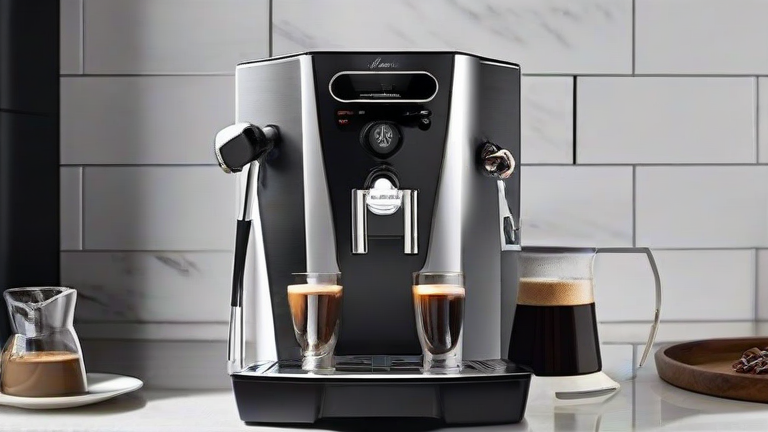
TL;DR: Choose the right espresso machine by determining whether you need the convenience of a super-automatic unit or the manual control of a semi-automatic model. Prioritize a stable pressure gauge and a compatible steam wand to ensure consistent shot quality and versatile milk frothing capabilities.
Understanding Your Espresso Needs
Before diving into specific models, it is crucial to assess your daily coffee consumption habits and skill level. If you are a busy professional seeking a quick, consistent cup with minimal effort, a super-automatic machine is the ideal choice. These machines handle grinding, tamping, and extraction automatically, allowing you to enjoy café-quality espresso with the push of a button. Conversely, if you view coffee brewing as a craft and enjoy the ritual of preparation, a semi-automatic machine will provide the necessary control over grind size, dose, and extraction time.
If you want to dig deeper, check out our guide on Why We Fear Fat: Calories Per Gram vs. Health Myths.
Key Features to Look For
When evaluating potential machines, pay close attention to the heating system. Thermoblock heaters offer rapid warm-up times but may have a shorter lifespan, while thermal mass boilers provide superior temperature stability and longevity. For those who enjoy latte art, the steam wand is a critical component. Look for a free-jet steam wand that allows for precise control over milk texture, rather than a fixed jet which often results in inconsistent microfoam. Additionally, check the water filtration system. Using a built-in filter cartridge can protect your machine from mineral buildup and significantly improve the taste of your espresso by removing impurities from tap water.
Comparing Popular Options
The DeLonghi Dinamica Plus stands out as an excellent mid-range super-automatic option. It offers a user-friendly interface, a large milk carafe, and consistent shot quality, making it perfect for households with varying coffee preferences. On the other hand, the Gaggia Classic Pro is a classic semi-automatic choice that has earned its reputation through decades of reliability. While it requires more hands-on effort and may need a separate grinder for optimal results, its robust build and manual control make it a favorite among home baristas who want to learn the craft. For those on a tighter budget, the Breville Barista Express offers a balanced approach, combining a built-in grinder with a semi-automatic brewing system, providing great value without sacrificing performance.
Final Thoughts and Next Steps
Selecting the right espresso machine is an investment in your daily routine. Consider your budget, available counter space, and desired level of involvement in the brewing process. Once you have identified your top contenders, read recent user reviews to gauge long-term reliability and customer support experiences. Ready to upgrade your morning ritual? Visit our website today to explore our curated selection of top-rated espresso machines. We offer expert guidance and competitive pricing to help you find the perfect brewer for your home. Do not settle for mediocre coffee; click through now to discover the machine that will transform your mornings and elevate your coffee experience to professional standards.
FAQ
Q: How much does a good espresso machine cost?
A: Entry-level models start around $300, mid-range options range from $500 to $1,000, and high-end professional-grade machines can exceed $2,000.
Q: Do I need a separate grinder?
A: While built-in grinders are convenient, dedicated burr grinders often provide more consistent particle sizes, which significantly improves espresso quality.
Q: How often should I descale my machine?
A: Descaling frequency depends on water hardness, but generally, it is recommended every 1 to 3 months to prevent mineral buildup and maintain performance.