AI Art’s Mysterious Origins: Study Finds No Traceable Source
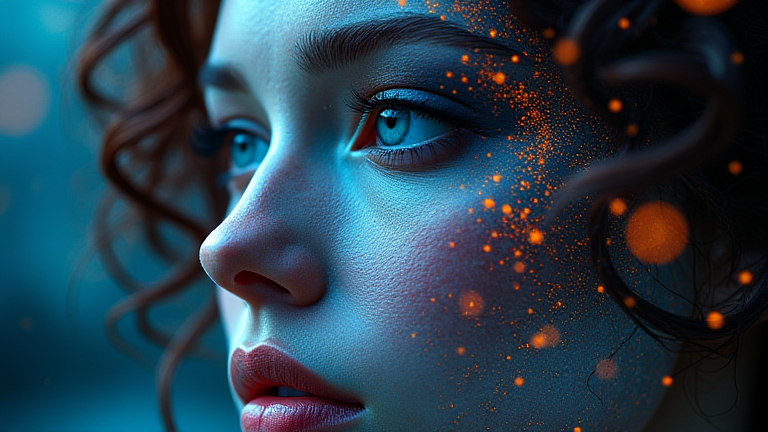
AI Art’s Mysterious Origins: Study Finds No Traceable Source
TL;DR: Recent studies indicate that most AI-generated images lack a single, traceable human author or specific training data lineage. This phenomenon creates a legal and ethical void where ownership is ambiguous, making it difficult to assign credit or liability for specific outputs.
Understanding the Complexity
Before diving into the practical steps, it is crucial to understand why AI art is considered to have “mysterious origins.” Unlike traditional art, where an artist’s hand and intent are visible in the brushstroke, AI art is a probabilistic reconstruction. The model does not copy a specific file but rather synthesizes millions of visual patterns. Consequently, no single image in the training set is the “source.” This guide will help you navigate the implications of this lack of traceability for creators, legal professionals, and enthusiasts.
If you want to dig deeper, check out our guide on Is the Apple Vision Pro Worth the Hype for Developers?.
Step-by-Step Guide to Navigating Untraceable AI Art
Step 1: Verify the Generation Method.
Start by confirming how the image was created. Did the user employ a standard diffusion model like Stable Diffusion or Midjourney? Different tools have different transparency levels. Check if the platform provides metadata or a “prompt history” log. If no metadata is present, assume the origin is opaque and treat the image as a composite of unknown influences.
Step 2: Conduct a Reverse Image Search.
Use advanced reverse image search tools to check if the AI output closely matches any existing copyrighted work. While the study notes no *direct* traceable source, visual similarity can still indicate heavy reliance on specific artists’ styles. Document any high-similarity matches. This step helps mitigate legal risks by identifying potential style infringement, even if pixel-perfect copying did not occur.
Step 3: Analyze the Prompt Structure.
Review the text prompt used to generate the image. Complex prompts that specify particular artists or brands may suggest a closer link to specific training data. Simple, generic prompts result in more abstract, less traceable outputs. Keep a record of all prompts used, as this serves as your primary evidence of creative intent, which is the closest proxy for “authorship” in AI art.
Step 4: Assess Legal Jurisdiction.
Laws regarding AI art vary significantly by country. In some jurisdictions, copyright requires human authorship. Since the study finds no traceable human source in the raw output, you may need to document your post-processing edits. If you have manually edited the image, your contribution may qualify for partial copyright protection. Always consult local legal guidelines before commercializing AI-generated work.
Step 5: Implement Ethical Disclosure Practices.
Regardless of legal standing, ethical transparency builds trust. Always disclose that an image is AI-generated. Include a statement in your portfolio or social media bio that clarifies the tools used and the extent of human involvement. This practice helps distinguish your work from undisclosed AI spam and supports the broader conversation about the future of art.
Essential Tips for Creators
Always save your raw files and prompt logs. If a dispute arises, these records prove your specific creative direction. Avoid using prompts that explicitly name living artists to generate images in their style, as this increases the risk of ethical backlash and potential legal challenges. Stay updated on legislation, as laws are rapidly evolving in response to the findings that AI art lacks a single, traceable source. Finally, engage with the community. Sharing your process and limitations fosters a healthier ecosystem for both human and AI artists.
FAQ
Q: Is AI art considered plagiarism if it resembles a specific style?
A: Not necessarily, as style is generally not copyrightable, but if the output closely mimics a specific artist’s unique visual signatures without permission, it may lead to ethical disputes and potential legal action under unfair competition laws.
Q: Can I sell AI-generated images if they have no traceable source?
A: You can often sell