Reviving a 15-Year-Old Vintage GE Waffle Baker
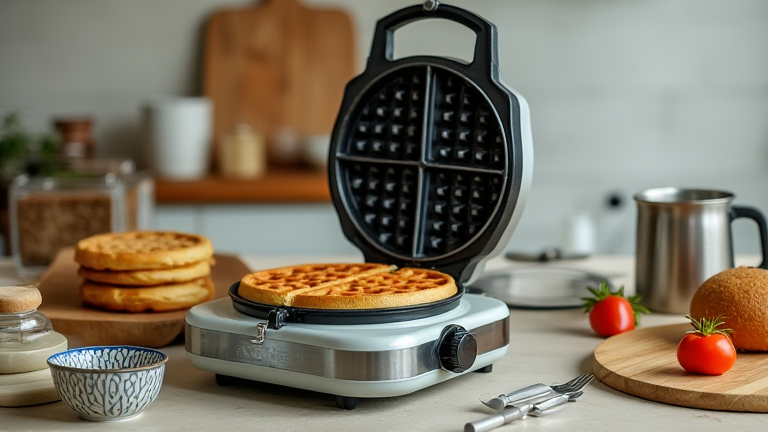
TL;DR: You cannot physically revive a 15-year-old GE Waffle Baker to its original manufacturing condition without professional appliance restoration, as internal components degrade irreversibly over time. However, you can extend its functional lifespan and improve your culinary experience by implementing rigorous cleaning protocols, safe repair practices, and mindful usage habits.
Assessing the Physical Reality
When considering the revival of a decade-and-a-half-old kitchen appliance, it is crucial to first address the material science at play. The non-stick coating on waffle irons, typically made from polytetrafluoroethylene (PTFE) or ceramic alternatives, begins to break down after years of thermal cycling. Scratches and wear patterns are not merely aesthetic issues; they can harbor bacteria and release micro-particles into your food. Before attempting any “revival,” inspect the plates for deep gouges. If the coating is peeling, the appliance should be retired, as no amount of cleaning can restore the chemical integrity of the surface. This is a critical health decision, prioritizing your safety over nostalgia or environmental waste reduction through reuse.
If you want to dig deeper, check out our guide on 7 Proven Business Growth Strategies for Small Companies.
Cleaning as a Wellness Practice
For appliances in decent structural condition, deep cleaning becomes a form of preventative health maintenance. Old waffle makers accumulate residual fats and sugars that undergo oxidation, creating rancid oils that emit off-flavors and potentially harmful compounds. To clean effectively, unplug the device and allow it to cool completely. Use a soft, damp cloth with a mild dish soap solution to wipe the plates. Avoid abrasive scouring pads, which damage the protective layer. For stubborn residue, create a paste of baking soda and water, apply it gently, and let it sit for ten minutes before wiping. This method removes carbonized food particles without compromising the non-stick surface. Additionally, ensure the exterior and the cord are free of dust and grime, which can attract pests and contribute to indoor air quality issues.
Lifestyle Integration and Safety
Integrating an older appliance into your lifestyle requires a mindful approach to electrical safety. A 15-year-old device may have wiring insulation that has become brittle, increasing the risk of short circuits. Always use a Ground Fault Circuit Interrupter (GFCI) outlet when plugging in older kitchen electronics. Furthermore, consider the energy efficiency of your cooking habits. Older models often lack precise temperature controls, leading to uneven cooking and increased energy consumption. If you choose to keep the waffle baker, use it sparingly for special occasions rather than daily use. This reduces wear and tear and encourages a more intentional, mindful eating routine. Replace your waffle maker if you notice sparking, unusual odors, or inconsistent heating. Prioritizing modern, energy-efficient appliances not only enhances safety but also supports a sustainable lifestyle by reducing electronic waste and lowering your carbon footprint. Remember, true wellness involves making informed choices about the tools we use in our kitchens to nourish our bodies.
FAQ
Q: Can I safely re-coat my old waffle iron?
A: No, applying aftermarket non-stick sprays or coatings is unsafe and ineffective, as they are not designed for high-heat appliance surfaces and may release toxic fumes.
Q: How often should I deep clean my waffle maker?
A: You should perform a deep clean after every few uses to prevent oil rancidity, and a thorough inspection of the non-stick surface should occur monthly.
Q: Is it better to repair or replace a 15-year-old appliance?
A: Generally, replacement is safer and more energy-efficient, especially if the non-stick coating is damaged, as repairs rarely restore original safety standards or performance.