How to Choose the Best Running Shoes for Flat Feet
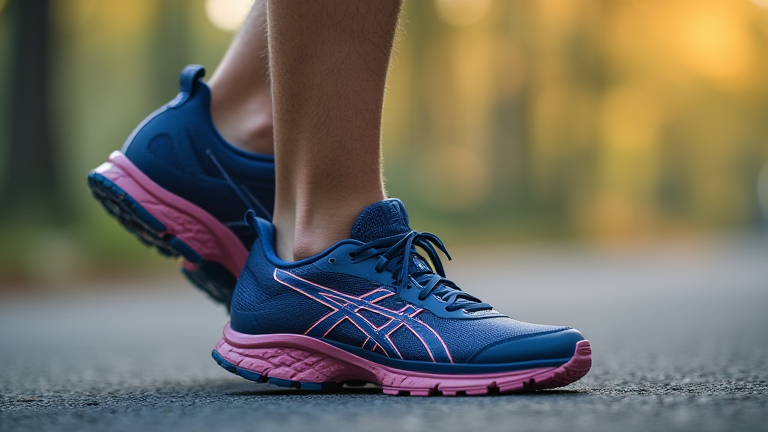
TL;DR: To choose the best running shoes for flat feet, prioritize models with strong medial support and structured arches to prevent overpronation. Look for stability features like dual-density midsoles or firm heel counters to ensure proper alignment and reduce injury risks during your runs.
Running with flat feet, or pes planus, presents unique challenges for runners. Without the natural arch to absorb shock, the foot tends to roll inward excessively, a motion known as overpronation. This biomechanical issue can lead to knee pain, shin splints, and general fatigue if not addressed with the correct footwear. Selecting the right pair of running shoes is not merely a matter of comfort; it is a critical component of injury prevention and performance optimization. By understanding the specific structural needs of flat feet, you can make an informed decision that supports your long-term running goals.
If you want to dig deeper, check out our guide on 10 Science-Backed Health Tips to Boost Your Daily Energy and.
Key Features to Look For
When evaluating potential candidates, the most important feature is stability. Unlike neutral shoes, stability shoes are designed with extra support on the inner side of the sole to counteract the inward roll of the foot. Look for terms like “motion control” or “stability” in product descriptions. Additionally, a firm heel counter is essential. This reinforced back portion of the shoe locks your heel in place, providing the necessary structure to keep your foot aligned from impact to toe-off. A rigid arch support is also non-negotiable, as it mimics the function of a collapsed arch, distributing weight more evenly across the foot.
Another critical aspect is the cushioning technology. While soft cushioning feels luxurious, it may not provide enough structure for flat-footed runners. Instead, seek out shoes that offer responsive, durable foam that maintains its shape over time. Brands like Brooks, Asics, and New Balance have long been industry leaders in this niche. The Brooks Adrenaline GTS series, for example, is renowned for its GuideRails technology, which keeps excess movement in check without feeling restrictive. Similarly, the Asics Gel-Kayano offers premium cushioning combined with robust support, making it a top contender for long-distance runners who need sustained comfort.
Comparing Options
While both Brooks and Asics excel, they cater to slightly different needs. Brooks shoes often feel more natural and less intrusive, ideal for runners who want subtle support. Asics, on the other hand, tends to offer a more structured, secure fit, which may be preferable for those with severe overpronation. New Balance provides excellent width options, which is a significant advantage for individuals whose feet tend to splay outward due to lack of arch support. When trying on shoes, always run in them if possible, or at least walk briskly to simulate the impact of running. Pay attention to any pinch points or sliding sensations, as these are immediate red flags.
Investing in the right footwear is an investment in your health. Do not compromise on quality or fit, as poorly supported runs can lead to chronic issues that sideline you for months. Take the time to research, read reviews from other flat-footed runners, and test multiple pairs. Your feet will thank you with every stride, allowing you to enjoy running without pain or fear of injury. Make the smart choice today and transform your running experience.
FAQ
Q: Can I use insoles with my running shoes?
A: Yes, many stability shoes have removable insoles, allowing you to insert custom orthotics for additional support tailored to your specific foot shape.
Q: How often should I replace my running shoes?
A: Typically, running shoes should be replaced every 300 to 500 miles, as the cushioning and support materials degrade over time, reducing their effectiveness.
Q: Are motion control shoes necessary for flat feet?
A: Not always; mild flat feet may only require stability shoes, while severe overpronation might benefit from motion control models that offer maximum restriction and support.