Produce Anxiety Hurting Nutrition? How to Handle It
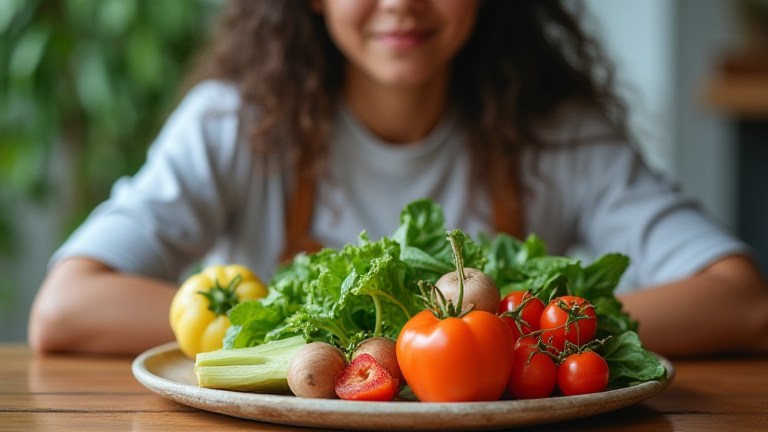
TL;DR: Produce anxiety, or the stress associated with selecting and preparing fresh fruits and vegetables, can indeed hinder nutritional intake by causing avoidance behaviors. However, adopting strategic planning, simplifying preparation methods, and shifting mindset can effectively mitigate this stress and restore a balanced diet.
The Hidden Barrier to a Healthy Diet
We all know that eating more fruits and vegetables is crucial for long-term health. Yet, for many, the mere thought of going to the grocery store, navigating the produce aisle, or washing and chopping fresh greens triggers a disproportionate amount of stress. This phenomenon, often colloquially termed “produce anxiety,” is a real psychological barrier that prevents individuals from reaping the benefits of a plant-rich diet. It is not merely about laziness; it is about the cognitive load and emotional energy required to make healthy choices in a fast-paced world.
If you want to dig deeper, check out our guide on Why Do People Avoid Fat? Calories, Myths & Real Reasons.
Research in behavioral nutrition suggests that decision fatigue plays a significant role here. When faced with dozens of options, from heirloom tomatoes to organic kale, the brain can become overwhelmed. This leads to a paradoxical effect where the desire to eat healthy clashes with the effort required to obtain it. Consequently, individuals may default to processed, convenient foods that require zero mental preparation. This avoidance behavior directly impacts nutritional status, leading to deficiencies in essential vitamins, minerals, and fiber.
Practical Strategies to Reduce Stress
To combat this, experts recommend simplifying the process. One effective method is meal prepping on a smaller scale. Instead of committing to a full week of raw salads, try washing and chopping just one or two vegetables that you enjoy. Having these ready-to-eat snacks lowers the barrier to consumption significantly. Another science-backed tip is to incorporate “no-prep” produce into your routine. Items like bananas, oranges, apples, and pre-washed baby carrots require minimal effort and can be eaten straight from the package. This reduces the friction between craving nutrition and actually consuming it.
Furthermore, shifting your mindset from perfection to progress is vital. You do not need to buy organic, locally sourced, or rare varieties to improve your health. Standard, frozen, or canned vegetables (without added sugars or salts) are equally nutritious and often more affordable. Embracing these alternatives removes the pressure of finding the “perfect” produce. Additionally, involving family members or friends in the selection process can turn a stressful chore into a social activity, thereby reducing anxiety through connection and shared responsibility.
Finally, practice mindful eating. When you do consume produce, focus on the taste and texture rather than the health benefits. This positive reinforcement can help rewire the brain to associate vegetables with pleasure rather than obligation. By removing the guilt and pressure, you create a sustainable relationship with food that supports both physical health and mental well-being. Remember, consistency matters more than perfection in building lifelong healthy habits.
FAQ
Q: What exactly is produce anxiety?
A: It is the stress or overwhelm felt when deciding on, purchasing, or preparing fresh fruits and vegetables, often leading to avoidance of healthy foods.
Q: Are frozen vegetables less nutritious than fresh ones?
A: No, frozen vegetables are often flash-frozen at peak ripeness, preserving their nutrient content effectively, sometimes even better than fresh produce that has traveled long distances.
Q: How can I start eating more produce if I am stressed?
A: Start with no-prep options like bananas or apples, or buy pre-washed, pre-cut veggies to eliminate the effort and decision-making involved in preparation.