Dried Herbs vs. Herbal Brew: Benefits of Both
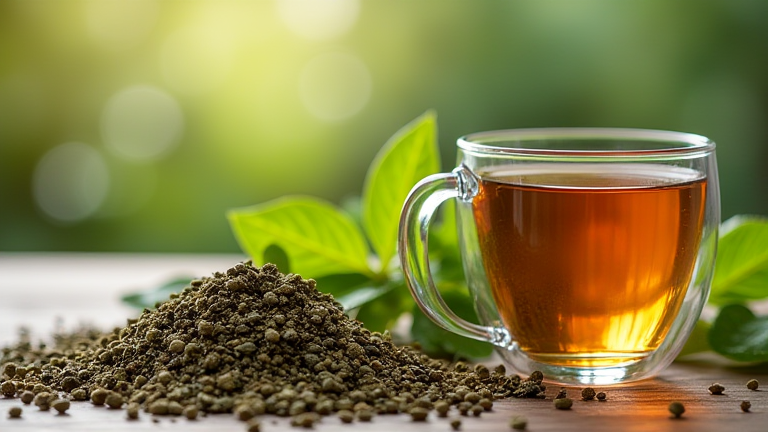
TL;DR: Dried herbs offer superior shelf stability and concentrated flavor for culinary applications, while herbal brews provide immediate hydration and rapid absorption of water-soluble nutrients. Choosing between them depends on whether your primary goal is long-term dietary integration or quick therapeutic relief.
The Power of Preservation
Dried herbs have been a cornerstone of human nutrition and medicine for millennia. The dehydration process removes moisture, which inhibits the growth of bacteria and mold, allowing these botanicals to retain their potency for months or even years when stored correctly. This preservation method concentrates the essential oils and active compounds within the plant material. Consequently, dried herbs are incredibly efficient for cooking, where heat helps release these flavors into dishes. From a health perspective, the concentrated nature of dried herbs means you get a potent dose of antioxidants and anti-inflammatory agents with just a small sprinkle. However, the bioavailability of some compounds can be lower in dry form compared to liquid extracts, requiring proper preparation like soaking or cooking to unlock their full potential.
The Liquid Advantage of Herbal Brews
Herbal brews, commonly known as teas or infusions, offer a different set of benefits rooted in immediate accessibility and hydration. When you steep herbs in hot water, you create an extraction that makes water-soluble vitamins and minerals readily available for absorption. This method is particularly effective for calming the nervous system, as the ritual of drinking warm liquid combined with the chemical properties of herbs like chamomile or lemon balm can significantly reduce stress and anxiety. Furthermore, herbal brews contribute directly to your daily fluid intake, which is crucial for maintaining kidney function, regulating body temperature, and supporting cognitive performance. The heat also helps break down cell walls in the plant material, releasing compounds that might be harder to digest in their raw or dried solid forms.
Integrating Both into Your Lifestyle
You do not need to choose one over the other exclusively. A balanced wellness strategy involves integrating both dried herbs and herbal brews into your daily routine. Use dried herbs to enhance the nutritional profile of your meals, adding turmeric to curries or basil to salads for a consistent supply of phytonutrients. Reserve herbal brews for moments when you need immediate relaxation, digestive support, or a caffeine-free energy boost. For instance, ginger tea can soothe an upset stomach quickly, while dried ginger powder can help regulate blood sugar levels over time when added to food. By understanding the unique properties of each form, you can tailor your approach to specific health goals, ensuring you reap the maximum benefits from the natural world. Consistency is key, so experiment with different combinations to find what works best for your body and lifestyle.
FAQ
Q: Can dried herbs replace fresh herbs in all recipes?
A: Generally, use one-third the amount of dried herbs compared to fresh because drying concentrates the flavor, though delicate herbs like basil are best used fresh.
If you want to dig deeper, check out our guide on PS5 Pro Enhanced PSSR Runs 90% of Model Params at 540p or Be.
Q: Are herbal brews safe for everyone?
A: While many are safe, some herbs can interact with medications or conditions, so consult a healthcare provider before using therapeutic doses if you are pregnant or on medication.
Q: How should I store dried herbs to maintain potency?
A: Store them in airtight containers away from light, heat, and moisture to preserve their essential oils and prevent spoilage.