How Long Do Daily Sneakers Last? Expected Life & Care
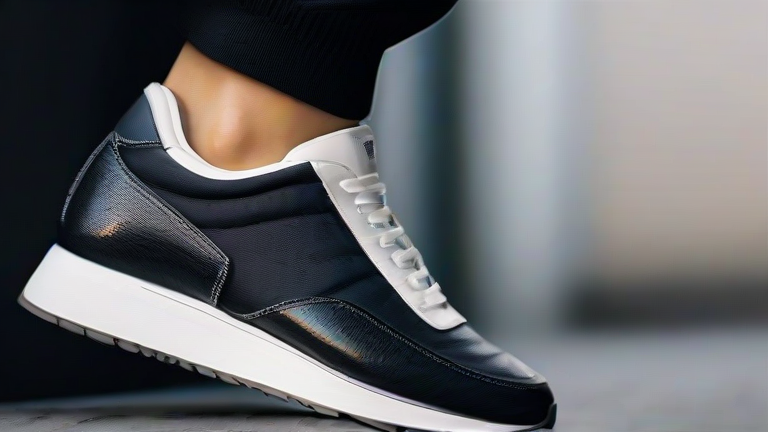
TL;DR: Daily sneakers typically last between 300 to 500 miles, which translates to roughly 6 to 8 months for the average runner or 1 to 2 years for casual walkers. Proper rotation, cleaning, and storage significantly extend this lifespan, ensuring optimal support and preventing injury.
Your sneakers are more than just fashion statements; they are sophisticated engineering marvels designed to absorb impact and protect your joints. However, the materials that provide this cushioning do not last forever. Understanding the lifecycle of your footwear is crucial for maintaining your physical health and preventing overuse injuries. Many people continue wearing shoes long after their supportive properties have degraded, unknowingly increasing their risk for plantar fasciitis, shin splints, and knee pain.
The Science of Wear and Tear
The lifespan of a sneaker is primarily determined by the compression of its midsole foam. Whether it is ethylene-vinyl acetate (EVA) or polyurethane, these materials lose their ability to rebound over time. Even if you do not wear them daily, the foam can break down due to oxidation and temperature fluctuations. For runners, the general consensus among podiatrists and sports medicine experts is that shoes should be replaced every 300 to 500 miles. This range accounts for differences in body weight, running gait, and surface terrain. Heavier individuals or those who run on concrete will experience faster compression than lighter individuals who jog on trails or grass.
If you want to dig deeper, check out our guide on How Much Should You Trust Consumer Reports Ratings?.
Casual wearers have a different metric. If you walk less than five miles a week, your shoes might last two years or more. However, the outsole rubber wears down much slower than the midsole foam. You can have a shoe that looks brand new on the bottom but offers zero cushioning on the inside. This is why visual inspection alone is insufficient. The midsole is the silent killer of athletic performance, deteriorating invisibly until it is too late.
Lifestyle Tips for Extension
To maximize the life of your daily sneakers, rotation is key. Wearing the same pair every day does not give the foam enough time to decompress and return to its original shape. By alternating between two or three pairs, you allow each pair to rest, effectively extending their usable life by months. Additionally, avoid washing machine cleaning unless explicitly recommended by the manufacturer. The agitation and heat can degrade the adhesives holding the shoe together and damage the foam structure. Instead, use a soft brush, mild soap, and cold water to spot clean. Always air dry your shoes at room temperature, away from direct sunlight or radiators, which can cause the materials to become brittle.
Storage also plays a pivotal role. Keep your sneakers in a cool, dry place. Moisture is the enemy of both the fabric and the internal bonding agents. If your shoes get wet, stuff them with newspaper to absorb moisture and maintain their shape. This simple habit prevents odor-causing bacteria and structural warping. Furthermore, be mindful of your walking surface. Concrete and asphalt are harsh on footwear, while dirt paths and grass are gentler. Choosing softer surfaces for your daily walks can subtly extend the life of your soles.
Recognizing the End of the Line
How do you know it is time to toss your favorite kicks? Listen to your body. If you start experiencing new aches in your knees, hips, or back, your shoes may have lost their shock absorption. Visually, look for wrinkles in the midsole or uneven wear patterns on the outsole. If the heel counter feels loose or the upper material no longer holds your foot securely, it is time for an upgrade. Investing in new shoes is not just about comfort; it is a proactive health decision that protects your musculoskeletal system. By replacing your sneakers proactively, you ensure that your foundation remains solid, allowing you to stay active and pain-free for years to come.
FAQ
Q: Can I tell if my sneakers are bad just by looking at the soles?
A: No, because the midsole foam degrades internally long before the outsole shows significant wear, so you must rely on