How Breathing Exercises Blunt Acute Stress & Physical Reactions
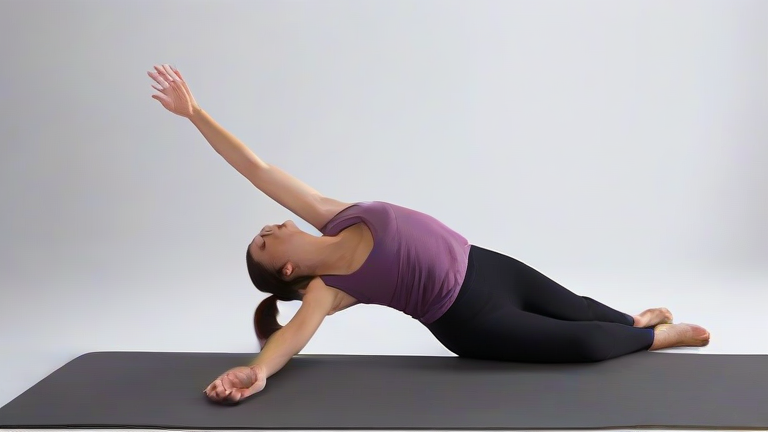
TL;DR: Breathing exercises blunt acute stress by activating the parasympathetic nervous system, thereby reducing heart rate and cortisol levels almost instantly. This physiological shift allows professionals to regain cognitive clarity and physical calm during high-pressure corporate moments.
The Physiology of Calm in the Boardroom
In the high-stakes environment of modern business, acute stress manifests not just as mental anxiety but as tangible physical reactions. Rapid heartbeats, shallow breathing, and muscle tension are the body’s ancient fight-or-flight responses, triggered by deadlines, hostile negotiations, or public speaking. However, emerging research and corporate wellness programs increasingly highlight a simple, cost-effective intervention: controlled breathing. By consciously slowing respiration, individuals can stimulate the vagus nerve, sending signals to the brain to switch from sympathetic arousal to parasympathetic dominance. This biological pivot is the key to blunting the immediate physical symptoms of stress, allowing leaders to maintain composure and make rational decisions rather than reactive ones.
Market Analysis: The Wellness Economy Shift
The global corporate wellness market is projected to reach significant heights in the coming decade, with a distinct shift toward evidence-based, low-tech interventions. While mindfulness apps and meditation platforms dominate the consumer space, B2B providers are now integrating respiratory training into executive coaching and employee assistance programs. Market analysts note that companies are prioritizing solutions that offer immediate, measurable returns on investment. Unlike long-term therapy, breathing techniques provide instant relief, making them highly attractive for organizations seeking to reduce burnout and improve productivity without extensive time commitments. The demand for such tools is fueled by a growing recognition that physical stress markers directly correlate with decreased employee engagement and higher turnover rates.
Strategic Insights and Case Studies
Implementing breathing strategies requires more than just recommending deep breaths; it demands integration into workflow culture. Successful companies like Goldman Sachs and General Mills have incorporated mindfulness and breathwork training into their leadership development programs. In one notable case study, a major tech firm introduced “box breathing” protocols before critical product launches. Managers reported a 30% reduction in perceived stress levels and a noticeable improvement in team cohesion during crises. The strategy relies on normalizing these practices, ensuring they are viewed as professional skills rather than esoteric hobbies. By training employees to recognize early signs of physiological stress and apply immediate breathing interventions, organizations can prevent minor pressures from escalating into systemic burnout. This proactive approach not only enhances individual well-being but also fosters a resilient organizational culture capable of navigating volatility with grace and precision.
FAQ
Q: How quickly do breathing exercises reduce physical stress markers?
A: Most individuals experience a noticeable decrease in heart rate and blood pressure within minutes of starting controlled breathing techniques.
If you want to dig deeper, check out our guide on Estrogen Therapy May Protect Against Alzheimer’s: Study.
Q: Are breathing exercises effective for high-stakes business negotiations?
A: Yes, they help regulate the nervous system, allowing negotiators to remain calm, think clearly, and avoid reactive decisions under pressure.
Q: What is the most recommended breathing technique for immediate stress relief?
A> Box breathing, which involves inhaling, holding, exhaling, and holding for equal counts, is widely recommended for its simplicity and rapid effectiveness.