Space Tourism: Low-Orbit Vacations for Travelers
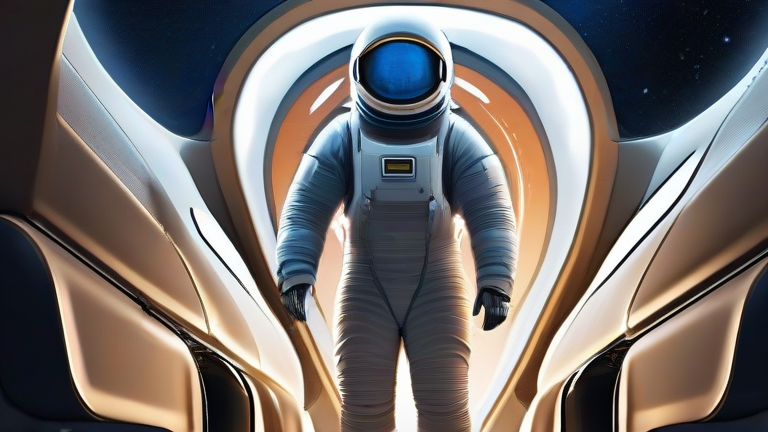
TL;DR: Space tourism offers low-orbit vacations that blend extreme adventure with profound personal growth, allowing travelers to witness Earth’s fragility firsthand. While currently accessible only to the ultra-wealthy, rapid technological advancements promise to democratize these experiences within the next decade.
Beyond the Horizon: A New Era of Travel
For centuries, humanity has gazed upward, dreaming of the stars. Today, that dream is becoming a tangible, albeit expensive, reality. Space tourism is no longer the exclusive domain of government astronauts. Private companies like Blue Origin and Virgin Galactic are pioneering suborbital flights, while SpaceX and Axiom Space are preparing commercial expeditions to the International Space Station. This shift marks a pivotal moment in the travel industry, transforming space from a scientific frontier into a destination for luxury seekers and thrill-seekers alike.
If you want to dig deeper, check out our guide on Biohacking: How to Extend Your Healthspan & Live Longer.

The experience of low-orbit travel is unlike anything else on Earth. The journey begins with a powerful launch that presses passengers into their seats with significant G-force. Once in orbit, the silence is absolute, broken only by the hum of life support systems. The highlight, however, is the view. Looking down at the thin blue line of our atmosphere against the infinite blackness of space triggers the “Overview Effect.” This cognitive shift, reported by many astronauts, fosters a deep sense of global unity and environmental stewardship. Travelers often describe a profound reevaluation of their place in the universe, leaving them with a renewed appreciation for life on Earth.
Culturally, space tourism challenges our traditional notions of vacation. It is not about relaxation in the conventional sense but about transformation. The physical demands of launch and re-entry require participants to be in peak physical condition, adding an element of rigorous preparation that mirrors athletic training. This preparation becomes part of the narrative, a rite of passage that enhances the significance of the journey. As the industry matures, we may see the emergence of space hotels and orbital restaurants, further integrating space into our leisure culture.
Food in space is also evolving. While currently limited to dehydrated and thermostabilized meals, future offerings will likely include fresh produce grown in microgravity hydroponic gardens. Imagine sipping a cocktail while watching the sunrise sixteen times a day. This culinary frontier adds a unique gastronomic dimension to space travel, turning meals into memorable events rather than mere sustenance.
FAQ
Q: How much does a low-orbit space vacation cost?
A: Current prices range from approximately $450,000 for suborbital flights to over $55 million for a week-long stay on the International Station.
Q: What physical requirements are needed for space travel?
A: Passengers must pass a rigorous medical examination, including cardiovascular and vestibular tests, to ensure they can withstand launch forces and microgravity.
Q: When will space tourism be affordable for the middle class?
A: Experts predict that prices may drop to the range of $50,000 to $100,000 within the next 10 to 15 years as technology improves and competition increases.