Expensive or Unavailable? Finding No Sodium Canned Veggies
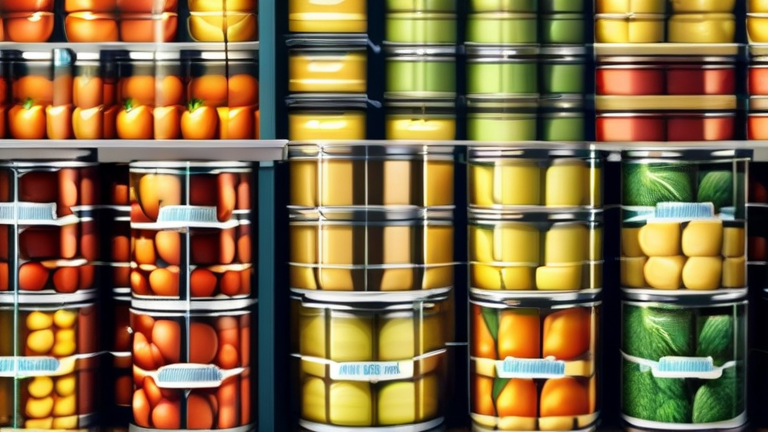
TL;DR: Sodium-free canned vegetables are not unavailable but remain a niche product often priced higher than standard alternatives due to specialized processing methods. Consumers seeking these options should look for specific organic brands or switch to low-sodium variants that offer a healthier compromise without breaking the bank.
The Silent Ingredient in Your Pantry
In the modern culinary landscape, convenience often battles with health. For decades, canned vegetables have been a staple in households worldwide, offering year-round access to nutritious produce. However, a subtle but significant ingredient often lurks in the label: sodium. While salt acts as a preservative and flavor enhancer, excessive intake is linked to various health concerns, prompting many health-conscious individuals to seek out sodium-free alternatives.
The journey to find these products reveals a complex market dynamic. Unlike fresh or frozen options, truly sodium-free canned vegetables are rare. Most manufacturers rely on brine to extend shelf life and maintain texture. Consequently, finding a can with absolutely zero added sodium can feel like searching for a needle in a haystack. When they do exist, they are frequently produced by smaller, artisanal brands that prioritize quality over mass production. This niche status drives up the cost, making them significantly more expensive than their salted counterparts.
Yet, “unavailable” is a strong word. A quick scan of specialty health food stores or online gourmet retailers often yields results. Brands focusing on clean eating labels are increasingly responding to consumer demand. They utilize alternative preservation techniques or simply rinse the vegetables thoroughly to reduce sodium content without compromising safety. This shift reflects a broader cultural movement towards mindful consumption and transparency in food sourcing.
For the budget-conscious cook, the solution may lie in flexibility. Opting for low-sodium canned vegetables or rinsing standard cans under running water can remove up to forty percent of the added salt. This simple act bridges the gap between convenience and health. It empowers individuals to take control of their dietary intake without entirely abandoning the pantry staple. The goal is not perfection but progress. By making informed choices, we nourish our bodies while supporting sustainable food practices. Ultimately, the quest for sodium-free goods is less about price and more about awareness, transforming a mundane shopping trip into an opportunity for personal growth and health optimization.
FAQ
Q: Why are sodium-free canned vegetables more expensive?
A: They require specialized processing methods and are often produced by smaller brands that cannot achieve the economies of scale found in mass-produced salty alternatives.
If you want to dig deeper, check out our guide on 10 Proven Business Growth Strategies to Boost Your Revenue T.
Q: Can I reduce sodium in regular canned vegetables?
A: Yes, rinsing canned vegetables thoroughly under cold water can significantly reduce their sodium content, often by up to forty percent, before cooking.
Q: Are sodium-free canned vegetables safe to eat?
A: Absolutely, they are preserved using alternative methods or minimal brine, ensuring they remain safe and shelf-stable without relying on high salt concentrations for preservation.