Sustainable Aviation Fuel: The New Standard for Green Flight
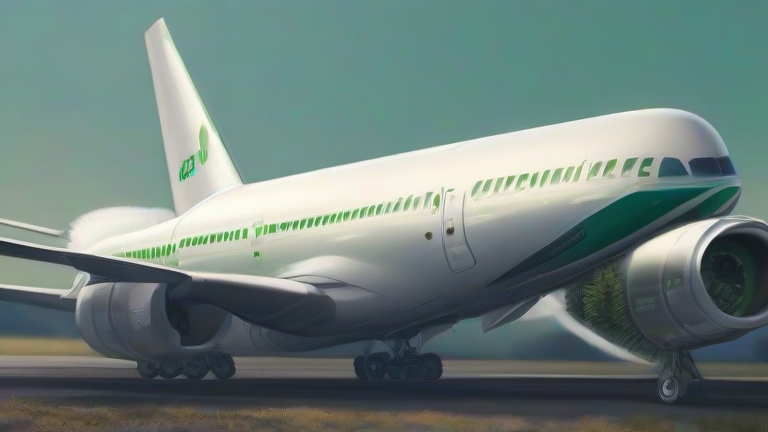
TL;DR: Sustainable Aviation Fuel (SAF) has rapidly emerged as the most viable immediate solution for decarbonizing the aviation industry, offering up to 80% lower carbon emissions compared to conventional jet fuel. It is no longer just an alternative but is becoming the new standard for green flight, bridging the gap between current infrastructure and a fully sustainable future.
The Rise of Eco-Conscious Skies
As global awareness of climate change intensifies, the aviation industry faces unprecedented pressure to reduce its carbon footprint. Traditional jet fuels have long been criticized for their heavy environmental impact, contributing significantly to global greenhouse gas emissions. Enter Sustainable Aviation Fuel (SAF), a revolutionary product that promises to transform the way we travel. This review explores why SAF is not just a niche alternative but the emerging benchmark for eco-friendly air travel.
If you want to dig deeper, check out our guide on Top 10 Digital Marketing Trends You Can’t Ignore in 2024.
Feature Highlights and Performance
SAF is produced from renewable resources such as used cooking oil, agricultural residues, and even municipal waste. Unlike biofuels of the past, modern SAF is a “drop-in” fuel, meaning it can be used in existing aircraft engines without any modifications. This compatibility is its greatest strength, allowing airlines to reduce emissions immediately without waiting for a complete overhaul of global infrastructure. The fuel burns cleaner, producing significantly fewer particulates and sulfur oxides, which directly contributes to improved air quality around airports.

Comparing SAF to Conventional Options
When compared to conventional fossil-based jet fuel, the differences are stark. While traditional fuel relies on crude oil extraction and refining processes that are inherently carbon-intensive, SAF utilizes waste materials that would otherwise decompose and release methane, a potent greenhouse gas. Studies indicate that SAF can reduce lifecycle carbon emissions by up to 80%. Furthermore, as production scales up, the cost differential is narrowing, making SAF an increasingly economical choice for airlines committed to sustainability goals. While electric and hydrogen-powered aircraft are the long-term hope, SAF is the practical reality for today’s global aviation needs.
The transition to SAF is not just an environmental imperative but a business opportunity. Airlines that adopt SAF early are positioning themselves as leaders in corporate social responsibility, attracting eco-conscious travelers and investors. By choosing SAF, the industry acknowledges its past impacts while actively working towards a sustainable future. It is a tangible step towards net-zero emissions, proving that luxury travel and environmental stewardship can coexist.
If you are an airline executive, investor, or eco-conscious traveler, now is the time to support and demand SAF. Visit leading airline sustainability portals to learn more about their SAF initiatives and book flights that prioritize the planet. Your choice matters, and together, we can pave the way for a cleaner sky.
FAQ
Q: What is Sustainable Aviation Fuel?
A: SAF is a jet fuel produced from renewable resources like waste oils and agricultural residues, capable of reducing carbon emissions by up to 80% compared to conventional fossil fuels.
Q: Can SAF be used in existing aircraft?
A: Yes, SAF is a drop-in fuel, meaning it can be blended with traditional jet fuel and used in current aircraft engines without any modifications.
Q: Why is SAF considered the new standard?
A: SAF offers an immediate, scalable solution to decarbonize aviation using existing infrastructure, making it the most practical bridge to a fully sustainable future compared to emerging technologies like electric planes.