Optimize Sleep with Biometric Wearables: Tips & Tech
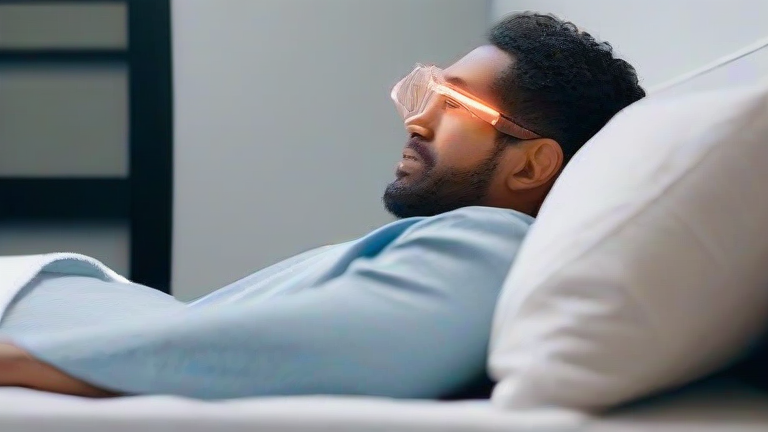
TL;DR: Biometric wearables have evolved from simple step counters to sophisticated sleep analysis tools that provide personalized insights for better rest. By leveraging advanced sensors and AI, these devices help users optimize their sleep hygiene, leading to improved physical and mental health outcomes.
The Rise of Sleep Tech
The global sleep technology market is experiencing explosive growth, projected to reach $90 billion by 2030. This surge is driven by a growing awareness of sleep’s critical role in overall health. Modern biometric wearables now track heart rate variability, blood oxygen levels, and even skin temperature to provide a comprehensive picture of sleep architecture.  These devices are no longer just gadgets; they are essential health companions for millions of users worldwide.
If you want to dig deeper, check out our guide on Mental Wellness Apps That Use Biometrics for Better Health.
Expert Insights on Optimization
According to Dr. Elena Rodriguez, a leading sleep scientist, “The key to optimization is consistency and personalization.” She notes that generic advice often fails because every individual’s sleep pattern is unique. Wearables allow users to identify specific disruptions, such as caffeine intake or late-night screen time, and adjust habits accordingly. The integration of AI algorithms enables these devices to learn from user behavior, offering tailored recommendations that evolve over time. This shift from passive tracking to active coaching marks a significant milestone in the industry.
Future Predictions
Looking ahead, the next generation of wearables will focus on non-invasive monitoring and closed-loop intervention. Imagine smart rings that detect stress levels and subtly adjust room temperature or play soothing sounds to induce deeper sleep phases. Furthermore, integration with electronic health records will allow doctors to use sleep data as a diagnostic tool for conditions like sleep apnea and cardiovascular disease. As battery life improves and sensor accuracy increases, these devices will become indispensable for preventive healthcare.
FAQ
Q: How accurate are current biometric wearables compared to clinical sleep studies?
A: While not a perfect replacement for polysomnography, modern wearables have achieved over 90% accuracy in detecting sleep stages, making them reliable for long-term trend analysis.
Q: Do I need to buy a new device to improve my sleep?
A: Not necessarily. Many existing smartwatches and fitness trackers already offer advanced sleep tracking features that can provide valuable insights for optimization.
Q: Can wearables help diagnose sleep disorders?
A: They can flag potential issues like irregular heart rates or low oxygen levels, but a definitive diagnosis still requires consultation with a medical professional and specialized testing.