Boost Sales with AR Try-On Tech for Beauty & Apparel
Boost Sales with AR Try-On Tech for Beauty & Apparel
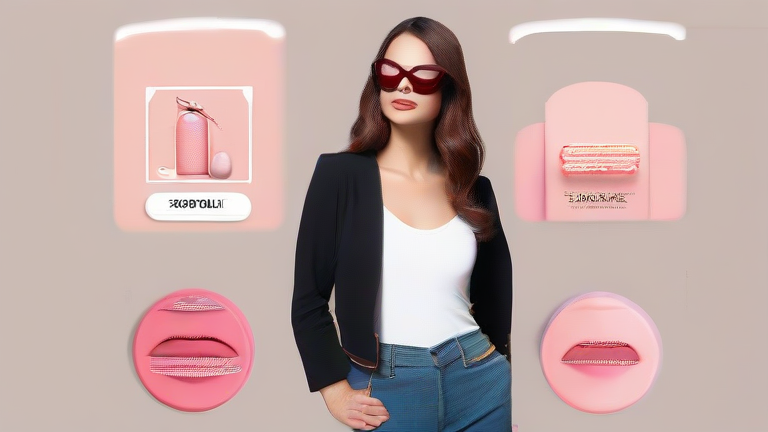
The digital retail landscape is evolving at a breakneck pace, and one technology stands out as a true game-changer for conversion rates: Augmented Reality (AR) Try-On technology. For beauty brands and apparel retailers, the barrier to entry has always been the inability to physically interact with products online. This “touch and feel” gap often leads to high cart abandonment and significant return rates. AR bridges this divide by allowing customers to visualize products on themselves in real-time, creating a seamless bridge between digital browsing and physical ownership. Imagine a customer virtually applying lipstick shades or trying on sunglasses without leaving their living room. This level of engagement not only boosts confidence in purchase decisions but also dramatically reduces the friction associated with online shopping.
Modern AR solutions offer several compelling features that directly impact the bottom line. First, high-fidelity rendering ensures that textures, colors, and fits are accurately represented, minimizing the “expectation vs. reality” gap. Second, these tools are highly customizable, allowing brands to integrate them seamlessly into their existing e-commerce platforms without requiring users to download separate applications. This frictionless integration is crucial for maintaining user flow. Furthermore, advanced analytics provided by these platforms allow merchants to track which products are being “tried on” most frequently, offering valuable insights into consumer preferences and inventory planning. Unlike traditional static images, AR provides a dynamic, interactive experience that keeps users engaged longer, increasing the likelihood of a sale.
When comparing AR try-on tech to traditional video demos or static image galleries, the difference in customer engagement is stark. Video reviews are passive; users watch but do not interact. Static images lack context and scale. AR, however, places the product directly in the user’s personal space, creating an emotional connection. Studies show that shoppers using AR are up to four times more likely to add items to their cart compared to those who do not. Additionally, brands utilizing AR report a significant decrease in return rates, as customers are more certain about fit and color accuracy before buying. This reduction in logistics costs further enhances profitability, making AR a smart investment rather than just a marketing gimmick.
As competition intensifies, staying ahead requires adopting technologies that enhance the customer experience. AR try-on is no longer a luxury; it is an expectation for modern consumers who demand convenience and confidence in their online purchases. By implementing