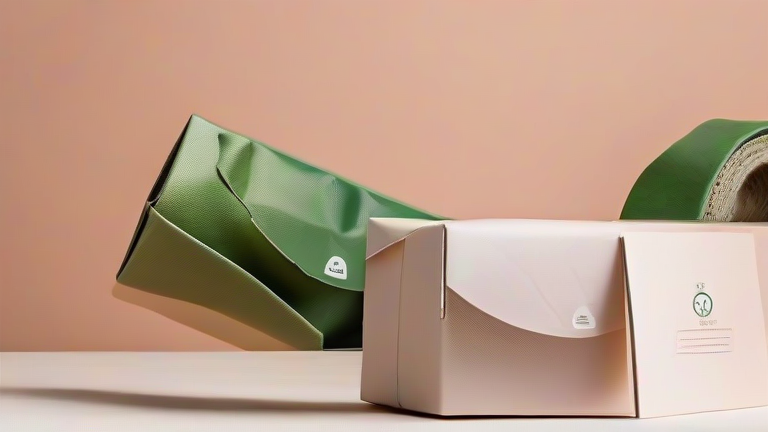
Sustainable Packaging Innovations for Small Business
Sustainable Packaging Innovations for Small Business
The landscape of consumer commerce is undergoing a profound transformation, driven by an urgent global demand for environmental responsibility. For small businesses, this shift represents not just a regulatory hurdle but a significant competitive advantage. Recent market data indicates that the global sustainable packaging market is projected to reach $418.5 billion by 2027, growing at a CAGR of 7.8%. This explosive growth is largely fueled by Millennials and Gen Z consumers, who are willing to pay a premium for eco-friendly products. According to a Nielsen report, 73% of global consumers would change their consumption habits to reduce their environmental impact, signaling a permanent shift in buyer behavior.
Innovation in this sector is moving beyond simple recyclable cardboard. We are seeing the rise of mycelium-based packaging, which uses mushroom roots to create durable, biodegradable alternatives to Styrofoam. Similarly, edible packaging made from seaweed or plant-based starches is gaining traction in the food and beverage industries, offering a zero-waste solution for single-use items. These materials decompose naturally within weeks, drastically reducing landfill contributions. Furthermore, smart packaging technologies are emerging, utilizing QR codes to educate consumers on proper disposal methods or to highlight the carbon footprint savings of each purchase, thereby enhancing brand transparency and trust.
Industry experts emphasize that sustainability must be integrated into the core business model rather than treated as a marketing afterthought. “Small businesses have the agility to adopt these innovative solutions faster than large corporations,” notes Elena Rossi, a supply chain sustainability consultant. “By partnering with local material suppliers and utilizing print-on-demand packaging services, entrepreneurs can minimize waste and inventory costs while maximizing their green credentials.” She advises starting with small steps, such as eliminating plastic fillers or switching to soy-based inks, which can significantly lower the overall environmental impact without disrupting existing workflows.
Looking ahead, the future of packaging will likely be defined by circular economy principles. We predict a rise in reusable packaging models, where customers return containers for sanitization and refilling. Regulatory pressures, including extended producer responsibility (EPR) laws in various regions, will further accelerate this transition. Small businesses that proactively embrace these innovations today will not only future-proof their operations but also cultivate deep loyalty among environmentally conscious consumers. The cost of inaction is far greater than the investment in green innovation,