Nuclear Fusion Pilot Plants Show Promise
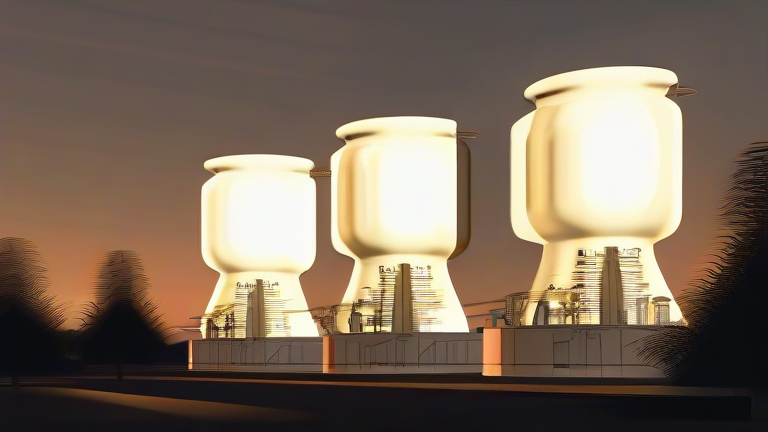
Nuclear Fusion Pilot Plants Show Promise

The long-sought dream of limitless, clean energy has taken a monumental leap forward. After decades of theoretical physics and incremental experimental failures, the global scientific community is witnessing a pivotal shift. Nuclear fusion pilot plants are no longer just distant concepts sketched on whiteboards; they are tangible, functioning entities that are beginning to demonstrate net energy gains. This transition from experimental physics to engineering reality marks a potential turning point in human history, promising to revolutionize how we power our cities, industries, and technological infrastructure. The recent breakthroughs are not merely incremental improvements but fundamental validations of the scientific principles that underpin stellar energy production here on Earth.
Latest Developments in Fusion Technology
Recent advancements have focused on two primary approaches: magnetic confinement using tokamaks and inertial confinement using high-energy lasers. The Joint European Torus (JET) in the UK recently set a world record by generating 59 megajoules of energy over five seconds, a staggering achievement that proved sustained fusion is possible. Meanwhile, the National Ignition Facility (NIF) in the United States achieved ignition for the second time, demonstrating that laser-driven fusion can yield more energy than the input used to drive the lasers. These milestones are critical because they validate the core physics required for commercial viability. Furthermore, private companies like Commonwealth Fusion Systems and TAE Technologies are advancing rapidly, utilizing high-temperature superconducting magnets to create smaller, more efficient reactors. These innovations suggest that the path to commercialization is accelerating significantly faster than traditional government timelines predicted.
If you want to dig deeper, check out our guide on How to Do a Complete SEO Tutorial: Step-by-Step Guide.
Technical Specifications and Engineering Challenges
Understanding the scale of these pilot plants requires looking at their specific engineering specs. Modern tokamaks like ITER, currently under construction in France, are massive structures designed to produce five hundred megawatts of fusion power from just fifty megawatts of input power. This tenfold energy gain, or Q-factor, is the holy grail of fusion research. The reactors operate at
